
A Research-Informed Guide
What Is Shamanism?
Humanity's oldest living tradition of healing, guidance, and connection with the unseen — explained clearly, respectfully, and without myth or fear.
Shamanism is a broad comparative term for culturally specific traditions in which recognised practitioners serve their communities through healing, ceremony, divination, and relationship with the unseen. This guide brings together historical scholarship, anthropological research, Indigenous perspectives, and contemporary science — so you understand what shamanism actually is, and isn't, before going further.
Start Here
Introduction
The question “What is shamanism?” appears simple, but it does not have one universally accepted answer.
The word is often used to describe traditions in which recognised practitioners serve their communities through ceremony, healing, guidance, divination, and relationships with ancestors, spirits, natural forces, or other forms of sacred reality.[2, 3]
Shamanism is not a single unified global religion or standardised method.
The practices grouped under this term developed within different peoples, languages, landscapes, histories, and systems of knowledge. A ceremonial practitioner in Siberia, a spirit medium in Korea, a healer in the Himalayas, and an Amazonian ritual specialist may work within very different understandings of illness, nature, community, ancestry, and the unseen world.[2, 27, 30, 40]
Although scholars may identify recurring patterns across some of these traditions, those similarities do not make them interchangeable.
The English word entered through Russian and is generally traced to a Tungusic linguistic context, often linked with Evenki communities of Siberia. It was later adopted by travellers, missionaries, anthropologists, historians, and religious-studies scholars as a comparative term for practitioners in many other parts of the world.[1, 11, 40]
This expansion made the word useful, but also controversial. It can help people discuss certain recurring roles and practices across cultures. At the same time, it can conceal local differences, replace community-specific names, and create the impression that all traditions belong to one ancient global system.[2, 11]
For this reason, this guide separates three questions that are often blended together:
Where did the word shaman come from?
How have scholars used the category of shamanism?
How do living communities understand their own practitioners and traditions?
These questions are related, but they are not identical.
This page also distinguishes among several ways of interpreting shamanic experience:
Examines language, records, suppression, change, and revival.
Studies cultural roles, ritual, meaning, and community life.
Expresses community knowledge, authority, worldview, and lived practice.
Investigates attention, trance, perception, health, and measurable effects.
May understand experiences as relationships with spirits, ancestors, sacred beings, or other realities.
Brings these lenses together without treating them as interchangeable.
The purpose of this guide is not to reduce shamanism to one explanation. It is to help readers understand what the term can mean, where its limits lie, how shamanic traditions differ, what contemporary research can and cannot establish, and why cultural responsibility matters when studying or practising methods described as shamanic.
Soul Consciousness Lab does not claim to represent every Indigenous tradition or reproduce one complete traditional lineage.
Our approach is contemporary, comparative, experiential, and integrative. Where we describe traditional or Indigenous perspectives, they are identified as such. Where we discuss scientific research, spiritual interpretation, or our own institutional position, these are also clearly distinguished.[45, 46]
Fast Answers
Shamanism at a Glance
Ten questions people ask first — answered directly, then explored in full detail below.
What is shamanism?
Shamanism is a broad comparative term for culturally specific traditions in which recognised practitioners may serve through healing, ceremony, divination, guidance, and relationships with natural or spiritual realities.
Is shamanism one religion?
It has no single founder, doctrine, institution, sacred text, or worldwide authority. Practices described as shamanic belong to many different cultural and religious systems.
Where did the word shaman originate?
The English word entered through Russian and is generally traced to a Tungusic language, often linked with Evenki communities of Siberia.[1, 11, 40]
What does a shaman do?
Depending on the tradition, a practitioner may support healing, conduct ceremonies, practise divination, guide transitions, preserve knowledge, or mediate relationships within the community.
Do all shamanic traditions use the same methods?
Methods may include drumming, chanting, dreaming, prayer, dance, fasting, ritual objects, plant knowledge, possession, or other culturally specific practices.
Do all shamans use psychedelic plants?
Psychoactive plants are important in some traditions, particularly in parts of the Americas, but they are neither universal nor the defining feature of shamanism.
Is shamanism still practised today?
Living Indigenous and culturally specific traditions continue today, although not every community accepts the umbrella label “shamanism.” Modern systems such as core shamanism and neo-shamanism should be distinguished from traditional community-based practices.[5, 7, 12, 38]
Is shamanic healing scientifically proven?
Research has examined particular practices and experiences, but evidence for broad healing claims remains limited. Scientific findings do not establish every metaphysical interpretation.[20]
Can shamanic healing replace medical or psychological care?
Shamanic and spiritual practices should be complementary rather than used to replace or delay necessary medical, psychological, psychiatric, or emergency care.[22, 23]
Does Soul Consciousness Lab teach an Indigenous lineage?
Soul Consciousness Lab teaches a contemporary integrative framework with a defined scope; it does not confer Indigenous identity or traditional cultural authority.[45]
Definition
A Simple Definition of Shamanism
Shamanism is a broad term used to describe diverse, culturally specific traditions in which recognised practitioners may serve their communities through healing, ceremony, guidance, and relationships with natural or spiritual realities.[2, 3]
This definition is intentionally broad. There is no single practice, belief, ritual, cosmology, or type of practitioner shared by every tradition described as shamanic.
In one community, the practitioner may be known primarily as a healer. In another, the role may involve divination, ancestral communication, ritual leadership, guidance through death or transition, protection, storytelling, sacred song, or maintaining relationships with the land.
Some traditions place strong emphasis on altered states of consciousness. Others focus more upon possession, dreaming, prayer, ritual performance, or inherited ceremonial responsibility.
Depending on the tradition, pathways into the role may include ancestry, dreams, visions, illness, apprenticeship, community recognition, initiation, or a combination of these.[2, 13]
For this reason, shamanism is better understood as a comparative category than as the name of one universal religion. It is a word used by scholars, practitioners, organisations, and the public to discuss certain recurring patterns across cultures. However, the term does not erase the importance of local names, languages, histories, and systems of authority.
Whenever a community has its own name for a practitioner or tradition, that terminology should be used wherever possible.
The word shaman should not automatically be applied to every:
- Indigenous healer
- Herbalist
- Diviner
- Medium
- Priest
- Ceremonial leader
- Spiritual teacher
- Person who enters an altered state
These roles may overlap in some cultures, but they are not universally the same.[5, 7, 8, 34] A useful definition must therefore do two things at once:
Identify broad similarities that help readers understand the subject.
Preserve the differences that make each tradition culturally meaningful.
Working Definition: What Shamanism Is — and Is Not
“Working definition: Shamanism refers to diverse traditions in which culturally recognised practitioners may work through ceremony, altered states, healing, divination, and relationships with natural or spiritual realities in service to their communities.”
This definition should be treated as a starting point — not as a universal rule imposed upon every culture.
Etymology
Where Does the Word Shaman Come From?
The word shaman did not originally refer to every ceremonial practitioner around the world. It emerged from a specific Siberian linguistic and cultural context and was later expanded into a broad academic and popular term.
The English word entered through Russian and is generally traced to a Tungusic language, often linked with Evenki communities of Siberia. In that cultural setting, the term referred to a recognised ritual or spiritual practitioner within a particular system of knowledge and responsibility.[1, 11, 40]
European travellers, missionaries, administrators, and scholars encountered these practitioners during the expansion of the Russian Empire into Siberia. The word gradually entered Russian and other European languages.[10, 11, 14]
Over time, scholars began using shaman for practitioners in many societies far beyond Siberia. The term was applied to ceremonial specialists in:
- Central & Inner Asia
- The Arctic
- The Himalayas
- The Americas
- Africa
- Australia
- East & Southeast Asia
- The Pacific
This wider use allowed researchers to compare certain recurring patterns, including:
- Healing
- Trance
- Ritual
- Divination
- Relationships with spirits or ancestors
- Mediation with unseen realities
However, this expansion also created problems. A word rooted in one cultural setting became a label applied to many traditions that had their own:
- Names
- Languages
- Social roles
- Cosmologies
- Histories
- Systems of authority
As a result, the word shaman can be useful as a comparative category, but it should not replace the terminology used by a community to describe its own practitioners.
For example, a traditional healer, spirit medium, priest, diviner, ceremonial leader, or ancestral specialist may have a culturally specific title that carries meanings the English word shaman cannot fully express.
A more responsible approach is therefore:
Use the community's own name where it is known.
Explain that role in its cultural context.
Use shaman only when the comparison is accurate and useful.
The history of the word also reveals an important distinction: the origin of the term shaman is not the same as the origin of all traditions later described as shamanic.
Many healing, ceremonial, ancestral, and spirit-related practices developed independently in different parts of the world. The shared label does not establish common descent from one Siberian system.[2, 11]
The modern category of shamanism was created through comparison. It did not begin as the universal name of one global tradition.
How the Word Spread
A culturally specific term in a Siberian context
Russian travel, administration and scholarship
European anthropology and comparative religion
Global academic and popular use
The history of the word is not the history of every tradition later described by that word. A term can travel across languages and disciplines even when the practices it describes developed independently.
The full account of that journey — the Tungusic setting the word came from, what it did and did not name there, and how European writing carried it outward — is set out in our history of shamanism.
The Practitioner
What Does a Shaman Do?
There is no universal job description for a shaman.[2, 3] The role depends upon the culture, community, historical period, and specific tradition.
In some societies, the practitioner may be known primarily for healing. In others, the role may involve ceremony, divination, guidance, spirit communication, ancestral relationships, protection, or preserving traditional knowledge.
What connects many of these roles is not one technique. It is responsibility to the community.
Healer
Supporting restoration, balance, vitality, or wellbeing.
Ceremonial Leader
Conducting rituals for transitions, protection, or community renewal.
Diviner or Guide
Interpreting causes, relationships, signs, or possible actions.
Mediator
Working among people, ancestors, spirits, land, or sacred powers.
Knowledge Keeper
Preserving songs, stories, ritual knowledge, and cultural memory.
Community Servant
Acting under responsibility, accountability, and recognised obligations.
Healing and Restoration
In some traditions, the practitioner helps address illness or imbalance. The cause of illness may be understood in physical, emotional, social, ancestral, ecological, or spiritual terms.
Ceremonial healing may involve:
- Prayer
- Chanting
- Drumming
- Cleansing
- Offerings
- Plant knowledge
- Divination
- Touch
- Symbolic action
- Spirit communication
- Community participation
These methods and explanations vary greatly between cultures.[2, 20, 29, 30] A practitioner may also work alongside herbalists, elders, family members, religious specialists, or other healers rather than functioning alone.
Ceremony and Ritual
A ceremonial practitioner may help conduct rituals connected with:
- Birth
- Naming
- Adulthood
- Marriage
- Illness
- Conflict
- Death
- Mourning
- Seasonal change
- Hunting
- Agriculture
- Protection
- Community renewal
The ceremony may help organise meaning during periods of uncertainty or transition. It may also reaffirm relationships among:
- Individuals
- Families
- Ancestors
- Land
- Animals
- Sacred beings
- The wider community
Divination and Guidance
In some traditions, practitioners are consulted when a person or community needs guidance. They may seek insight into questions such as:
- Why has an illness occurred?
- What relationship has become disturbed?
- What ceremony is required?
- What obligation has been neglected?
- What action should the family or community take?
- Is a journey, marriage, harvest, or major decision appropriately timed?
Methods of divination may involve:
- Dreams
- Trance
- Ritual objects
- Natural signs
- Bones
- Stones
- Fire
- Water
- Song
- Spirit communication
- Culturally specific systems
Divination should not be reduced to predicting the future. In many traditions, it helps interpret relationships, responsibilities, and possible causes of imbalance.[36]
Relationships With Ancestors or Spirits
Some practitioners are understood as capable of communicating with:
- Ancestors
- Helping spirits
- Protective beings
- Local spirits
- Animal beings
- Deities
- Other recognised presences
The practitioner may ask for:
- Guidance
- Diagnosis
- Permission
- Protection
- Healing assistance
- Information for the community
These relationships are generally governed by cultural rules, obligations, taboos, and ethical expectations. Their meaning is governed by the tradition's own framework, obligations, and methods of interpretation rather than by unrestricted personal authority.
Guidance Through Life Transitions
Ceremonial practitioners may help people navigate major transitions, including:
- Birth
- Adulthood
- Marriage
- Illness
- Grief
- Death
- Relocation
- Conflict
- Changes in social responsibility
Ritual can help the individual and community recognise that a change has occurred. It may also provide a shared structure for grief, responsibility, identity, and belonging.
Preserving Knowledge
In many traditions, practitioners are also knowledge holders. They may preserve or transmit:
- Songs
- Prayers
- Stories
- Genealogies
- Healing knowledge
- Sacred geography
- Ritual sequences
- Plant knowledge
- Taboos
- Seasonal knowledge
- Relationships with ancestors or places
This knowledge may be transmitted orally and through long apprenticeship rather than through written manuals. Some knowledge may be public. Other teachings may be restricted to initiated practitioners, certain families, elders, or particular ceremonial contexts.
Protection and Mediation
In some communities, the practitioner may help address:
- Spiritual conflict
- Harmful influences
- Broken obligations
- Ancestral disturbance
- Tension within the group
- Imbalance between people and the land
The role may involve mediation rather than confrontation. The practitioner may work to restore relationships among the living, the dead, the environment, and the unseen world recognised by the tradition.
Community Service Rather Than Personal Status
Modern popular culture often presents the shaman as an isolated mystical individual with unusual powers. Traditional roles are often more demanding and socially accountable.
Authority may depend upon:
- Training
- Discipline
- Demonstrated competence
- Ethical conduct
- Community recognition
- Continued service
A person may be respected not because they claim spiritual power, but because the community has repeatedly experienced them as responsible, effective, trustworthy, and appropriately trained.
This is why a vision, altered-state experience, or personal sense of calling does not automatically establish someone as a shaman. The title usually carries obligations as well as recognition.[2, 5, 6, 7, 8, 9]
A shaman is not simply a spiritual individual seeking extraordinary experiences or personal power.
In many traditions, the role is defined by service, discipline, accountability, and community recognition.
Categories
Is Shamanism a Religion?
Instead, practices commonly called shamanic exist within many different cultural and religious settings. A ceremonial practitioner may belong to a wider system that includes:
- Ancestor traditions
- Buddhism
- Christianity
- Islam
- Local cosmology
- Indigenous law
- Folk religion
- Clan traditions
- Sacred geography
- Overlapping systems
In some communities, the practitioner's work cannot be separated neatly into categories such as religion, medicine, psychology, ecology, or social life. These divisions are often products of modern institutional thinking. A ceremony may simultaneously be understood as:
- Spiritual
- Therapeutic
- Social
- Ecological
- Ancestral
- Ethical
For this reason, asking whether shamanism is a religion can impose a category that does not fit every tradition.
Why the Answer Is Usually "Not One Religion"
The term shamanism refers to many culturally distinct systems rather than one organised faith. There is no universal agreement on:
- What spirits are
- How illness occurs
- How a practitioner is selected
- Which ceremonies are required
- Whether trance is necessary
- What happens after death
- How many realms exist
- Who has authority to teach
Different traditions may have entirely different answers. A practice may also exist as one part of a larger religion rather than as a separate religion called shamanism. For example, spirit-mediumship, healing, ancestral rites, and local ceremonial roles may coexist with formal religious institutions.
Religion, Technique or Way of Life?
Shamanism is sometimes described as:
- A religion
- A spiritual practice
- A healing system
- A ritual technology
- A method of altered states
- A worldview
Each description may capture one aspect, but none is sufficient in every context.
Reducing shamanism to a technique ignores:
- Community
- History
- Moral responsibility
- Cultural authority
- Land
- Ancestry
- Cosmology
Reducing it to belief alone ignores:
- Embodied practice
- Ritual
- Service
- Apprenticeship
- Lived relationships
A more accurate approach is to understand shamanic traditions as culturally embedded systems that may combine worldview, ceremony, healing, social responsibility, and relationships with visible and unseen realities.
Why Institutional Categories Can Be Limited
The analytic boundaries among religion, healing, ecology, ancestry, and social life vary across cultures.[4, 5] A healing ceremony may address physical symptoms, family relationships, ancestral obligations, emotional distress, community tension, and relationship with land as aspects of one interconnected situation.
This does not mean that all traditional societies think alike. It means that the category "religion" may not fully describe what a practice does or how it is understood.
A More Precise Answer
Shamanism is not one unified religion. It is a broad term used for culturally specific traditions that may include spiritual, ceremonial, healing, social, ecological, and religious dimensions.
Is Shamanism One Religion?
Not every culture separates religion, medicine, ecology, ancestry, ethics, and community life into independent systems.
Understanding a tradition may require using the categories of the community itself rather than forcing it into modern institutional definitions.
Recurring Patterns
Common Characteristics of Shamanic Traditions
There is no feature shared by every tradition described as shamanic.
Across the literature, several recurring patterns appear in many — though not all — traditions. These similarities can help readers understand the category, provided they are treated as recurring themes rather than universal rules.[2, 3]
Relationships With the Natural World
Many traditions understand human beings as participants in a wider living world. Animals, plants, rivers, mountains, forests, weather, ancestors, and particular places may be understood as possessing:
- Presence
- Agency
- Knowledge
- Power
- Spiritual significance
The practitioner may help maintain or restore appropriate relationships between the community and this wider world.
Ceremony and Ritual
Ritual is often central. Ceremonies may be conducted for:
- Healing
- Protection
- Transition
- Grief
- Divination
- Seasonal change
- Hunting
- Agriculture
- Conflict
- Death
- Community renewal
The ritual may include sound, movement, prayer, offerings, storytelling, sacred objects, costume, fire, water, plants, or other culturally specific elements.
Altered States of Consciousness
Some practitioners enter altered states through methods such as:
- Drumming
- Chanting
- Dancing
- Dreaming
- Fasting
- Prayer
- Sensory restriction
- Repetitive movement
- Sacred plants
Relationships With Spirits, Ancestors or Sacred Powers
Many traditions include relationships with beings or forces understood as more than ordinary human personalities. These may include:
- Ancestors
- Helping spirits
- Animal beings
- Deities
- Land spirits
- Protective beings
- Masters of animals
The practitioner's role may depend upon learned and disciplined relationships with such beings.
Apprenticeship and Transmission
Knowledge is often transmitted through:
- Family lineage
- Apprenticeship
- Initiation
- Observation
- Oral teaching
- Dreams
- Ceremonial participation
- Long-term practice
Learning may involve restrictions, obligations, taboos, and ethical responsibilities. It is rarely limited to receiving information.
Community Orientation
The practitioner's work is frequently directed toward collective wellbeing. This may include:
- Supporting individuals
- Protecting families
- Restoring social harmony
- Helping the dead
- Maintaining seasonal relationships
- Preserving knowledge
- Addressing disruption
A Culturally Structured Cosmology
Many traditions organise reality through a specific cosmology. This may include:
- Several worlds
- Sacred directions
- Ancestral territories
- Mountain or river realms
- Heavens
- Underworlds
- Local landscapes
The cosmology gives structure to ritual and experience. It is not an abstract diagram detached from community life.
Similarity Does Not Mean Sameness
Two traditions may both use drumming but understand it differently. Two practitioners may both enter trance but perform entirely different roles. Two cultures may both honour ancestors while holding different beliefs about:
- Death
- Personhood
- Ritual obligation
- The relationship between the living and the dead
The presence of similar forms does not prove that traditions share one origin or one universal system. Comparison is useful only when cultural context remains visible.[2, 5, 11, 38]
Recurring Themes Across Many Traditions
Relationship
Humans exist within wider relationships involving land, animals, ancestors, spirits, and community.
Ceremony
Ritual gives structure to healing, transition, protection, and collective life.
Altered Experience
Some traditions use trance, dream, possession, rhythm, or other transformed states.
Transmission
Knowledge is often learned through apprenticeship, lineage, initiation, and practice.
Cosmology
Experience is interpreted through culturally specific maps of visible and unseen reality.
Service
Authority is connected with responsibility toward others.
Similar Form, Different Meaning
Recurring patterns can support comparison. They should never be used to erase cultural difference.
Worldviews
Animism and the Living World
Many traditions described as shamanic understand human beings as participants in a wider living world.
This does not necessarily mean that every object contains an identical spirit or that all cultures hold the same beliefs about nature.
It means that animals, plants, rivers, mountains, forests, weather, ancestors, places, and other forms of existence may be understood as possessing presence, agency, intelligence, power, or spiritual significance within a particular cultural worldview.
The term often used to discuss these perspectives is animism.
Moss-covered roots, natural light
Alt text: "Moss-covered tree roots spreading across a forest floor in natural light." Grounded, textural, unhurried — the visual anchor for this section on relationship with the living world.
A licensed stock candidate (A-02_animism-tree-roots) is already selected in the kit — swap for your own if preferred.
What Does Animism Mean?
The word animism was originally used by early anthropologists to describe the belief that souls or spirits inhabit human beings, animals, plants, objects, and natural phenomena.
That older definition remains influential, but contemporary anthropology often uses the term more carefully.[4]
Rather than asking whether a culture believes that an object "contains a spirit," researchers may examine how people understand and maintain relationships with beings other than humans.
From this perspective, animism is not simply a belief about invisible entities. It may be a way of understanding:
- Personhood
- Relationship
- Responsibility
- Communication
- Reciprocity
- Participation in a wider world
Animism at a Glance
A Relational Worldview
In many modern societies, nature is often understood primarily as:
- Scenery
- Property
- Material
- Resource
- Environment
Within relational worldviews, the natural world may instead be experienced as a community of beings and forces. Humans may be understood as one part of that community rather than as its owners. This can affect how people approach:
- Hunting
- Agriculture
- Gathering
- Healing
- Travel
- Sacred places
- Death
- Use of natural resources
A ritual before hunting, harvesting, or entering a sacred place may express gratitude, permission, respect, reciprocity, restraint, or acknowledgement of dependence. The ritual is not necessarily symbolic decoration added to an otherwise practical activity. It may be part of the activity's ethical structure.
From Object to Relationship
“Does this object contain a spirit?”
“What kind of being, presence, or relationship is recognised here, and what responsibilities follow?”
Animism does not simply mean worshipping nature.
It may involve culturally specific understandings of personhood, relationship, communication, responsibility, and reciprocity among human and other-than-human beings.
Animals as Relations, Teachers or Powers
Animals appear prominently in many shamanic traditions, but their meaning varies greatly. An animal may be understood as:
- A helper
- Guardian
- Ancestor
- Clan relation
- Teacher
- Messenger
- Source of power
- Master of a species
- Deity
- Being with whom humans must maintain respectful relations
The idea that every person has one permanent "spirit animal" does not represent all traditional systems.[11] Some relationships may be inherited. Others may be temporary, ceremonial, dream-based, occupational, or connected with a specific place or lineage.
An animal encountered during a vision or journey should therefore not automatically be assigned one universal meaning. Its significance depends upon:
- Cultural context
- Personal history
- Ceremonial setting
- Interpretive framework being used
Plants, Trees and Healing Knowledge
Plants may be understood not only as physical substances but also as beings, teachers, relatives, or carriers of power. A healer may learn through:
- Observation
- Apprenticeship
- Dreams
- Repeated ceremonial work
- Ecological knowledge
- Relationships with particular plants
This does not mean that all plant use is psychoactive or visionary. Many traditions involve ordinary medicinal plants, foods, resins, roots, leaves, smoke, oils, or preparations used within complex systems of knowledge. The plant's meaning may include:
- Physical properties
- Seasonal timing
- Ritual preparation
- Ethical harvesting
- Prayer
- Lineage knowledge
- Relationship with the land
Sacred Landscapes
Certain places may be understood as spiritually powerful or socially significant. These may include:
- Mountains
- Caves
- Rivers
- Springs
- Forests
- Deserts
- Burial grounds
- Stones
- Crossroads
- Places connected with ancestors and historical events
A sacred landscape is not simply a beautiful natural location. It may be connected with:
- Origin stories
- Community identity
- Ceremonial responsibility
- Memory
- Law
- Restricted access
- Relationships with particular beings
Reciprocity and Responsibility
Relational worldviews often involve the principle that human beings should not only take. People may be expected to:
- Give thanks
- Make offerings
- Observe restrictions
- Protect certain places
- Avoid waste
- Honour seasonal patterns
- Fulfil obligations to ancestors, animals, and land
This is not identical to modern environmentalism, although the two may sometimes overlap. Traditional ecological responsibility arises from specific cultural, legal, spiritual, and ancestral relationships.
It should not be reduced to the general idea that "Indigenous people live in harmony with nature." Indigenous communities are diverse, contemporary, and affected by political, economic, and environmental realities. Romanticising them as naturally ecological can erase both their complexity and their present-day struggles.[7, 34]
Nature as Teacher
In some contemporary shamanic practices, nature is described as a teacher. This may involve:
- Attentive observation
- Silence
- Sensory awareness
- Reflective walking
- Symbolic learning
- Seasonal practice
- Relationship with a particular place
Such practices can be meaningful without claiming to reproduce an Indigenous ceremony. The distinction should remain clear. A contemporary nature-based exercise is not automatically an ancient traditional practice merely because it uses natural imagery or ritual language.
Animism Is Not One Belief System
There is no single animist doctrine. Different cultures may disagree about:
- What constitutes a person
- Which beings have agency
- How communication occurs
- Whether spirits are individual or collective
- How ancestors remain present
- What obligations humans hold
Animism is therefore best approached as a comparative concept that helps describe relational worldviews. It should not replace the community's own terminology or explanation.
The Shamanic Map
Cosmology and the Spirit World
A cosmology is a culturally structured understanding of reality. It may explain:
- How the world came into being
- What kinds of beings exist
- Where the dead go
- How humans relate to ancestors or spirits
- How different realms are connected
- What responsibilities people have within the wider order of existence
In many shamanic traditions, reality is not limited to what can be seen physically. Practitioners and communities may recognise relationships with:
- Ancestors
- Helping beings
- Deities
- Land spirits
- Animal beings
- Protective powers
- The dead
- Other realities understood within the tradition
These beliefs should not be treated as one universal system.
The Three-World Model
One of the most familiar contemporary models divides reality into the Upper World, the Middle World, and the Lower World.
This structure is associated particularly with some Siberian and Inner Asian traditions and later became highly influential in core shamanism and modern journeying practices.
In simplified contemporary teaching, the Upper World may be associated with teachers, celestial beings, ancestors, or expanded spiritual perspective; the Middle World may refer to ordinary reality and its non-ordinary dimensions; the Lower World may be associated with animal helpers, earth-connected beings, ancestors, or healing knowledge.
These descriptions are not universal definitions. Different traditions may understand layered worlds in different ways, and some do not use this model at all.[10, 11, 12]
The Three Worlds
Upper World
Teachers, celestial beings, ancestors, and expanded spiritual perspective.
Middle World
Ordinary reality and its non-ordinary, unseen dimensions.
Lower World
Earth-connected beings, animal helpers, and healing knowledge.
This is one influential model — not a universal map of shamanic cosmology.
Other Cosmological Structures
Across cultures, reality may instead be organised through:
- Multiple heavens
- Several underworlds
- Sacred directions
- Vertical levels
- Ancestral territories
- Mountain realms
- Underwater worlds
- Caves
- Forests
- Rivers
- Celestial routes
- Local landscapes
A cosmology may also be organised through movement rather than fixed levels.[10, 11, 24, 33] The practitioner may travel:
- Across distance
- Beneath water
- Into a mountain
- Through a dream
- Along an ancestral route
- Into a place that is simultaneously geographical and spiritual
Different Ways of Mapping Reality
Layered Worlds
Heavens, earth, underworlds
Sacred Directions
East, west, north, south, centre
Ancestral Geography
Burial places, migration routes, homeland
Sacred Landscape
Mountains, rivers, caves, forests
Vertical Axis
Tree, mountain, pillar, ladder, smoke
Dream Geography
Places accessed through dreaming or trance
Underwater or Subterranean Realms
Rivers, oceans, caves, earth interiors
The World Tree and Axis Imagery
Some traditions describe a tree, mountain, pillar, ladder, river, or other central feature connecting different levels of reality. Scholars sometimes refer to this as an axis mundi, or world axis.
The World Tree has become especially prominent in popular descriptions of shamanism. However, it should not be presented as a symbol shared identically by every culture.
In one setting, a tree may connect heaven, earth, and the underworld. In another, a mountain, river, smoke column, drum, or ceremonial structure may perform a comparable role. Similarity does not prove one universal origin.[10, 11]
The Spirit World
The phrase spirit world is also broad. It may refer to:
- The realm of ancestors
- Places inhabited by non-human beings
- Hidden dimensions of familiar landscapes
- The world of dreams
- The dead
- Deities
- Helping beings
- Realities reached through ritual and altered states
Different traditions may understand these realities as:
- Objectively existing worlds
- Relational dimensions
- Sacred geography
- Visionary states
- Symbolic structures
- Several of these at once
These interpretations answer different questions and should remain distinct.
Literal, Symbolic and Experiential Interpretations
A participant may understand a journey or encounter as literal communication with a spirit. A psychologist may interpret the same experience through imagery, memory, archetype, expectation, or dissociation. An anthropologist may focus on the cultural structure that gives the experience meaning. A neuroscientist may examine measurable changes in attention, perception, or brain activity.
These interpretations answer different questions.[17, 19] Scientific research may study what happens during an experience, but it does not conclusively determine whether a spiritual realm exists independently. Likewise, a spiritual interpretation should not be presented as scientific proof.
Cosmology as Lived Responsibility
A traditional cosmology is not only a map of invisible worlds. It may organise:
- Ritual timing
- Burial practices
- Healing
- Hunting
- Moral obligations
- Relationships with ancestors
- Access to sacred places
- Expectations concerning the dead
The cosmology becomes meaningful through practice, community, memory, and responsibility. A diagram taken out of context cannot communicate the entire system.
Contemporary Use of Cosmological Maps
Modern shamanic programmes often use simplified cosmological maps because they help beginners orient their journeying experiences. Such models can be useful when they are presented honestly as:
- Contemporary teaching frameworks
- Adaptations
- Selected models drawn from particular traditions
They become misleading when presented as the original universal cosmology of all humanity.
A cosmology is not merely a diagram of spiritual realms.
It is a culturally embedded understanding of reality that may shape ritual, healing, ethics, land relationships, ancestry, and community life.
Journeying & Trance
Altered States of Consciousness and Shamanic Journeying
Altered states of consciousness are frequently associated with shamanism, but they are not unique to it and are not used in the same way across all traditions.
An altered state is any condition in which ordinary patterns of attention, perception, body awareness, time, imagery, emotion, or sense of self change significantly.[18, 19] Such states may occur through:
- Meditation
- Prayer
- Dreaming
- Music
- Dancing
- Fasting
- Illness
- Sensory restriction
- Repetitive movement
- Intense emotion
- Trauma
- Hypnosis
- Psychoactive substances
- Ritual practice
The existence of an altered state does not by itself make an experience shamanic. What matters is how the state is:
- Entered
- Interpreted
- Structured
- Used
- Integrated
- Recognised within a cultural or teaching system
Trance Is Not One Single State
The word trance is often used as though it describes one uniform condition. In reality, trance may involve different combinations of:
- Focused attention
- Absorption
- Reduced awareness of the surroundings
- Increased imagery
- Rhythmic movement
- Possession
- Dissociation
- Bodily stillness
- Emotional intensity
- A sense of travelling beyond the physical body
A chanting medium, a drumming journeyer, a ceremonial dancer, and a person entering possession may all be described as being in trance, but their experiences and cultural roles may differ substantially.
How Altered States May Be Induced
Different traditions use different methods. These may include:
- Drumming
- Rattling
- Chanting
- Singing
- Dancing
- Repetitive movement
- Breathing
- Prayer
- Vigil
- Fasting
- Isolation
- Dreaming
- Sensory restriction
- Exposure to heat or cold
- Sacred plants
The method is usually only one part of a larger ceremonial structure. Preparation, intention, music, ritual objects, community expectations, cosmology, and the presence of an experienced practitioner may all shape the experience.
What Is a Shamanic Journey?
A shamanic journey is generally described as an intentional altered-state experience in which a practitioner perceives movement into, through, or between realities recognised within a particular cosmology.[2, 12, 16] The practitioner may report:
- Entering another realm
- Meeting an ancestor
- Encountering an animal or helping being
- Receiving information
- Locating a source of imbalance
- Retrieving something considered lost
- Seeking guidance for an individual or community
In traditional settings, journeying may be closely connected with training, ritual permission, helping relationships, community responsibility, and specific ceremonial purposes.
In contemporary practice, journeying is often taught through rhythmic drumming, guided intention, and personal reflection. These two contexts should not automatically be treated as identical.
Journeying, Possession and Mediumship
These experiences are sometimes blended together, but they involve different relationships between the practitioner and the perceived source of information.
Journeying
Possession or Embodiment
Mediumship
The practitioner's ordinary sense of agency may be reduced, transformed, or temporarily displaced during possession or embodiment. These categories are not universal, and some traditions may understand them differently.[2, 18, 27, 28] These distinctions are comparative and may not match every tradition's terminology.
The Role of Culture
Culture influences:
- What participants expect
- What images appear meaningful
- Which beings may be encountered
- How bodily sensations are interpreted
- What counts as success
- What should happen afterward
An experience that is understood as spirit communication in one tradition might be interpreted as imagination, dream, symbolism, dissociation, or intuition in another. The experience cannot be understood fully without its interpretive context.
Is a Shamanic Journey Imagination?
The word imagination can be misleading because it is often used to mean "not real." Human imagination is involved in:
- Memory
- Planning
- Creativity
- Symbolic thought
- Empathy
- Dream
- Ritual
- Meaning-making
A journey may involve vivid imagery while still carrying psychological, spiritual, or personal significance. Different frameworks interpret the source of that imagery differently.
A spiritual framework may describe communication with an independently existing being. A psychological framework may understand the experience through symbolic material, memory, expectation, or unconscious processes. A neuroscientific framework may study the brain and body during the state.
This page does not require the reader to accept one interpretation.[16, 19]
What Science Can Study
Research can examine attention, absorption, imagery, time perception, bodily awareness, emotional response, brain activity, autonomic changes, and reported wellbeing during altered-state practices.
These findings describe measurable processes and outcomes. They do not, by themselves, confirm or disprove the metaphysical interpretation of a journey. The Science section examines the evidence in greater depth.
The Journey and Integration Process
Preparation
Intention & Method
Altered Experience
Cultural or Personal Interpretation
Discernment
Integration
Integration Matters
The journey does not end when the drumming stops or the altered state changes. Integration may involve:
- Recording the experience
- Reflecting on symbolism
- Discussing it with an experienced facilitator
- Separating guidance from literal command
- Checking whether an interpretation is ethical and grounded
- Identifying whether any practical action is appropriate
Not every image requires action. Not every inner voice should be obeyed. Not every unusual experience indicates spiritual authority. A responsible process includes discernment.
Safety and Suitability
Soul Consciousness Lab uses precautionary screening and referral criteria because altered-state practices are not suitable for every person or every moment. Additional assessment or referral may be required when a participant is experiencing:
- Psychosis
- Mania
- Severe dissociation
- Acute trauma destabilisation
- Suicidal crisis
- Substance-related instability
- Uncontrolled seizures
- Significant difficulty distinguishing inner experience from external reality
These are Soul Consciousness Lab precautionary criteria rather than universal contraindications to every ceremonial or contemplative practice. A responsible facilitator should:
- Explain the method
- Obtain informed consent
- Disclose relevant risks
- Screen where appropriate
- Allow participants to stop
- Avoid fear-based interpretations
- Provide grounding
- Refer beyond their scope when necessary
Altered-State Safety
Altered-state practices should be approached with preparation, informed consent, appropriate screening, grounding, and integration.
They should not be used to replace necessary medical, psychiatric, or psychological treatment.
Illness & Restoration
Shamanic Healing: Illness, Balance and Restoration
Shamanic healing cannot be reduced to one procedure.
Across cultures, health and illness may be understood through very different systems of knowledge. A person's condition may be connected not only with the physical body but also with:
- Emotional life
- Family relationships
- Community
- Ancestry
- Spiritual obligations
- Environment
- Land
- Identity
- Relationships with unseen beings
These explanations do not replace biomedical understanding.[20, 21, 29, 30] They belong to cultural and spiritual frameworks that may organise experience differently.
Healing as Restoration of Relationship
In many traditions, healing involves restoring relationships rather than treating an isolated symptom. The disturbed relationship may involve:
- The person and the body
- The individual and family
- The living and the dead
- The community and the land
- The person and an ancestor
- Humans and animals
- The individual and a sacred obligation
The ceremony may aim to restore:
- Balance
- Vitality
- Protection
- Belonging
- Meaning
- Appropriate relationship
Different Models of Illness
Traditional explanations of illness may include:
- Physical causes
- Social conflict
- Broken taboos
- Ancestral disturbance
- Loss of vitality
- Spiritual intrusion
- Grief
- Harmful relationships
- Environmental disruption
- Failure to fulfil an obligation
These explanations are culturally specific. They should not be applied indiscriminately to people from other backgrounds.
A modern practitioner should not diagnose every illness as:
- Soul loss
- Possession
- Ancestral punishment
- Negative energy
- Spiritual attack
Fear-based explanations can intensify distress and delay appropriate care.
Different Models of Illness, at a Glance
Disease, injury, physiology, infection, genetics
Emotion, cognition, trauma, behaviour, relationships
Family conflict, isolation, role disruption, community stress
Relationship with land, environment, place, livelihood
Family continuity, inherited obligations, unresolved relationships
Soul, spirit, sacred obligation, unseen influence, loss of power
These lenses may coexist, but they should not be treated as interchangeable or as substitutes for appropriate diagnosis.
Forms of Shamanic Healing
Depending upon the tradition, healing work may include:
- Prayer
- Chanting
- Drumming
- Dancing
- Offerings
- Divination
- Cleansing
- Plant preparations
- Smoke
- Water
- Touch
- Massage
- Ritual objects
- Storytelling
- Spirit communication
- Ancestor work
- Collective ceremony
The visible method does not reveal the entire meaning of the practice. A song may function as prayer, diagnosis, protection, teaching, communication, or medicine within its tradition. A plant may have physical, ritual, ecological, and spiritual significance at the same time.
Soul Loss
The term soul loss is used in contemporary shamanic literature to describe conditions in which part of a person's vitality, identity, essence, or life force is believed to have departed or become disconnected.
Traditional concepts that are translated this way differ significantly. They should not be treated as one universal diagnosis.
Some contemporary practitioners use the language of soul loss metaphorically to describe experiences of disconnection, reduced vitality, or loss of identity.
Soul loss is not a clinical diagnosis and should not be treated as equivalent to dissociation or another psychological or psychiatric condition.[2, 13, 20] Psychological and psychiatric conditions require appropriate professional assessment.
Intrusion, Extraction and Cleansing
Some traditions interpret illness or distress as involving an unwanted influence, object, force, or spiritual presence. Ceremonies may be used to remove, transform, or cleanse that influence. The concept is often translated into contemporary language as extraction.
Such interpretations require great caution. A practitioner should not frighten a participant by claiming they are:
- Possessed
- Cursed
- Contaminated
- Attacked
- Surrounded by dangerous entities
…without a legitimate cultural context, ethical framework, and appropriate competence. Even within spiritual practice, uncertainty should be acknowledged.
Restoration of Power or Vitality
Some healing practices focus less on removing something harmful and more on restoring:
- Strength
- Protection
- Purpose
- Life force
- Confidence
- Connection
- Spiritual support
In contemporary practice, this may involve imagery, ritual, journeying, symbolic retrieval, nature-based work, or reconnection with meaningful values.
The interpretation should be presented honestly. A symbolic or experiential practice should not be marketed as a medically proven biological intervention.
Community Participation
Healing may involve more than the practitioner and the person receiving care. Family members, elders, musicians, singers, or other community members may participate. The ceremony may:
- Reaffirm belonging
- Resolve conflict
- Acknowledge grief
- Restore social identity
- Publicly recognise change
Ritual, Meaning and Expectation
Ritual can influence human experience through:
- Focused attention
- Expectation
- Social support
- Symbolism
- Emotional expression
- Sensory stimulation
- Creation of meaning
Healing and Curing Are Not the Same
A person may experience healing without being medically cured. Healing may involve:
- Greater peace
- Reduced fear
- Restored meaning
- Improved relationships
- Spiritual connection
- Acceptance
- Renewed sense of agency
A cure refers more specifically to the resolution or elimination of a medical condition. A responsible practitioner should never guarantee that shamanic or spiritual work will cure any medical or psychiatric condition.
Healing and Curing
A person may experience healing without being cured, and medical cure may occur without resolving every emotional or spiritual concern.
What Research Can Tell Us
Research into shamanic healing remains limited. Studies may examine:
- Participant wellbeing
- Emotional experience
- Ritual effects
- Altered states
- Cultural healing systems
- Specific traditional practices
The available evidence does not support universal claims that shamanic healing cures specific diseases.[20] Research is also complicated by the fact that ceremonies may combine:
- Social support
- Expectation
- Music
- Movement
- Plants
- Touch
- Belief
- Community participation
- Culturally meaningful interpretation
The entire practice cannot always be reduced to one variable.
Working Alongside Healthcare
Traditional and spiritual healing may be meaningful to a person while they also receive:
- Medical diagnosis
- Medication
- Surgery
- Psychotherapy
- Psychiatric care
- Physiotherapy
- Other evidence-based treatment
The appropriate position is complementary rather than substitutive. A responsible practitioner should not:
- Advise someone to stop prescribed medicine
- Discourage medical testing
- Claim that illness is caused by spiritual failure
- Promise a cure
- Interpret every symptom as supernatural
Scope and Referral
A practitioner should recognise when a person needs care beyond the practitioner's training.
Urgent medical or mental-health support may be required when there is risk of harm, severe confusion, an acute medical or psychiatric crisis, uncontrolled seizures, acute withdrawal, or rapid deterioration.
Spiritual practice should never be used to delay urgent care.[22, 23]
Becoming a Practitioner
Calling, Initiation and Training
There is no single path by which a person becomes a shamanic practitioner.
In some traditions, the role may be associated with:
- Family lineage
- Dreams
- Visions
- Illness
- Unusual experiences
- Recognition by an elder
- Apprenticeship
- Initiation
- Community need
These pathways differ greatly between cultures.[2, 5, 13] A person may feel called, but a sense of calling alone does not establish authority.
The Idea of a Calling
A calling may be understood as an experience that directs a person toward a ceremonial, healing, or spiritual role. It may appear through:
- Repeated dreams
- Encounters with ancestors
- Visions
- Unusual sensitivity
- Physical illness
- Psychological crisis
- Inherited responsibility
- Recognition by an established practitioner
In some traditions, refusing the calling is believed to lead to continued difficulty. In others, the person may undergo testing before the role is accepted.
These ideas should not be generalised. Not every illness is a spiritual calling, and not every powerful dream indicates that someone is meant to become a practitioner.
Initiatory Illness
Anthropological literature describes initiatory illness in some traditions and case studies: a period of physical, emotional, or visionary crisis interpreted within a community as part of becoming a healer or ceremonial specialist. It is neither a universal pathway nor a clinical diagnosis.[13] This may involve:
- Intense dreams
- Bodily suffering
- Encounters with spirits
- Symbolic death and rebirth
- Isolation
- Major changes in identity
Such experiences can carry profound meaning within a traditional framework. However, they should not be romanticised.
A person experiencing severe psychological distress, neurological symptoms, or medical concerns still requires appropriate professional assessment and care. Spiritual interpretation should never be used to delay necessary treatment.
Apprenticeship and Long-Term Learning
In many traditions, training takes place through sustained apprenticeship. The student may learn by:
- Observing an elder
- Assisting in ceremonies
- Memorising songs and prayers
- Preparing ritual materials
- Learning plant knowledge
- Understanding taboos
- Practising divination
- Studying sacred geography
- Gradually accepting responsibility
This learning may continue for years.[2, 5, 6, 8, 38] The student is not only acquiring techniques. They are learning:
- When a practice may be used
- When it must not be used
- Who has permission
- How to recognise limits
- How to interpret experience
- How to remain accountable to the community
Initiation and Authorisation
Initiation may mark a change in status. It may include:
- Ceremony
- Ordeal
- Blessing
- Spirit recognition
- Public acknowledgement
- Transmission of restricted knowledge
- Permission to carry out specific work
Initiation does not mean the practitioner is authorised to perform every ceremony. Authority may remain:
- Role-specific
- Lineage-specific
- Place-specific
- Gender-specific
- Limited to certain stages of training
A practitioner may be recognised for one form of healing and not another.
Community Recognition
In many traditional settings, authority is not self-declared. The community may recognise a practitioner because they have demonstrated:
- Competence
- Ethical behaviour
- Reliability
- Knowledge
- Service
- Ability to work within established responsibilities
This recognition may come from:
- Elders
- Family
- Teachers
- Ritual specialists
- The wider community
A person may have extraordinary experiences and still lack permission to serve others.
Discipline, Restrictions and Obligation
Traditional practice may involve significant demands. A practitioner may be expected to follow:
- Dietary rules
- Periods of abstinence
- Ritual purity requirements
- Ethical restrictions
- Obligations to spirits or ancestors
- Service responsibilities
- Limitations on what may be shared publicly
These restrictions are part of the role. They challenge the modern idea that shamanic practice is mainly about personal freedom, self-expression, or collecting powerful experiences.
Traditional Training and Modern Courses
A modern shamanism course is not the same as a traditional apprenticeship. A contemporary programme may teach:
- Journeying
- Rhythm
- Symbolic practice
- Nature-based reflection
- Ethical facilitation
- Altered-state literacy
- Integration
Such training may be meaningful and professionally structured.
However, it does not automatically confer:
- Indigenous identity
- Traditional lineage
- Community authority
- Permission to perform restricted ceremonies
- Medical qualification
- Universal spiritual status
The programme must describe itself honestly.
Experience Is Not Qualification
A vision, dream, near-death experience, altered state, or spiritual encounter may be personally significant. It may inspire study. It does not by itself make someone a shaman, healer, therapist, medium, or teacher.
Qualification requires more than intensity of experience. It may involve:
- Training
- Supervision
- Ethical development
- Cultural understanding
- Discernment
- Demonstrated competence
- Accountability
Calling Is Not Qualification
Experience or Sense of Calling
Discernment & Assessment
Training & Apprenticeship
Initiation or Authorisation, Where Relevant
Supervised Service
Community Accountability
A powerful experience may begin a path. It does not complete it.
Contemporary Responsibility
A modern practitioner should be able to explain:
- What they have studied
- Who taught them
- Whether the work is traditional or contemporary
- Which practices have been adapted
- What their certification means
- What they are not qualified to do
- When they refer to another professional
Clarity protects both the practitioner and the participant.
Traditional and Contemporary Training
Through Time
A Brief History of Shamanism
There is no single historical moment at which shamanism began.
The practices now described by that term emerged in different societies, over long periods, within different cultural and ecological settings.
The history of shamanism is therefore not one straight line.[2] It is the history of:
- Many local traditions
- One Siberian-derived word
- Changing academic theories
- Colonial and state suppression
- Indigenous survival and revival
- Modern global adaptation
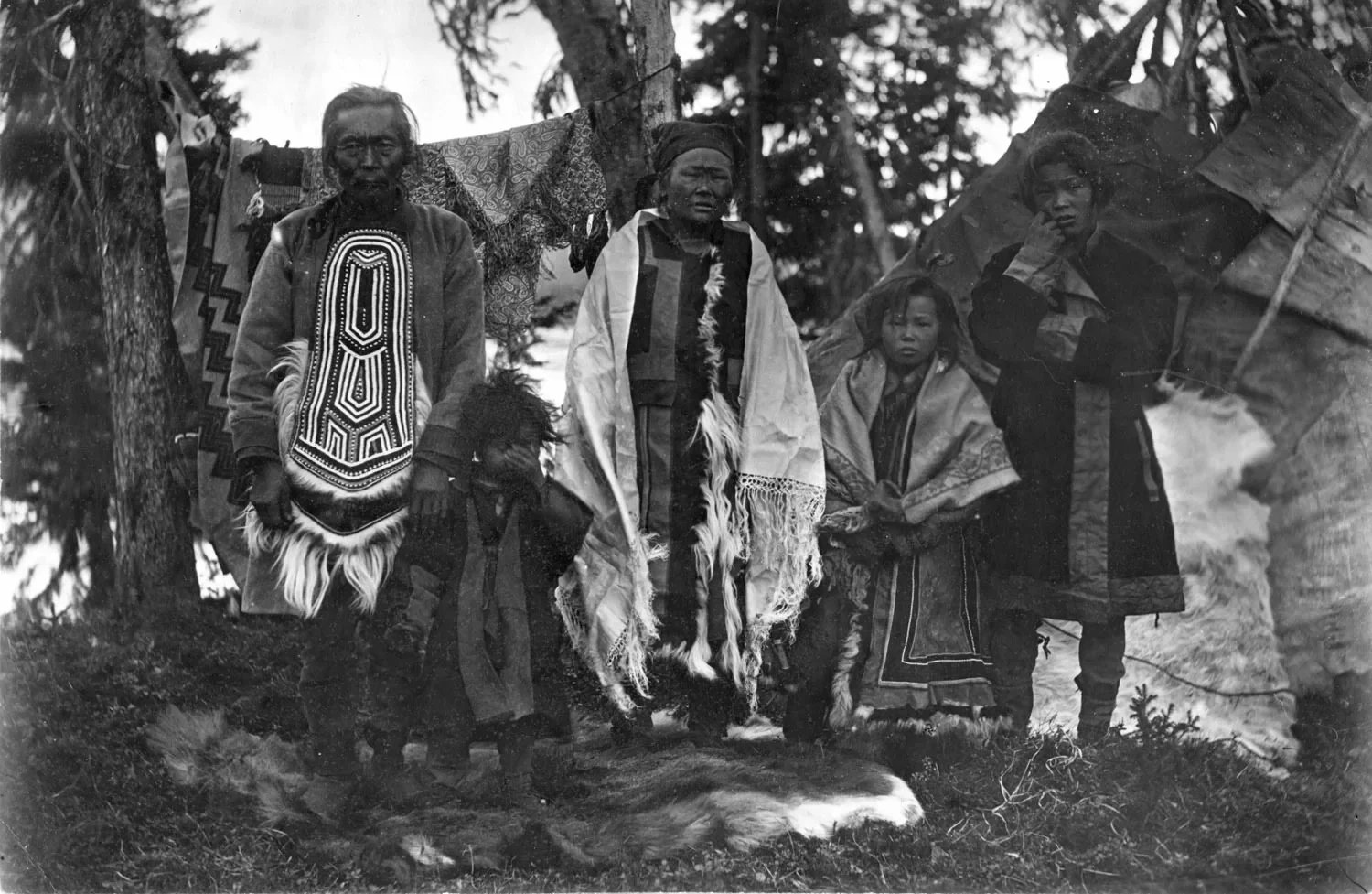
Evenki family, Siberia, 1907
Alt text: "Evenki family photographed near the Podkamennaya Tunguska River, 1907." Rights confirmed — public domain, verified caption included below.
Source verified: Wikimedia Commons / Russian Ethnographic Museum, РЭМ 5659-11.
Evenki shaman Poligus’s family, Podkamennaya Tunguska River, Yenisei Governorate, 1907. Photograph by A. A. Makarenko. Public domain. Source: Russian Ethnographic Museum, via Wikimedia Commons. Collection reference: РЭМ 5659-11.
Prehistoric Interpretations
Some archaeologists and historians have proposed that certain prehistoric:
- Cave paintings
- Burials
- Masks
- Animal-human figures
- Musical instruments
- Ritual objects
…may indicate practices comparable to shamanism.
These interpretations remain debated. A burial with unusual objects may suggest ceremonial status, but it cannot tell us with certainty:
- What the person believed
- What role they held
- Whether they entered trance
- Whether their community would fit a modern definition of shamanism
Prehistoric evidence can support hypotheses.[11] It cannot prove that one universal shamanic religion existed throughout early humanity.
Siberian Context and the Word Shaman
The word shaman entered European languages through contact with peoples of Siberia, especially Tungusic-speaking communities such as the Evenki.
Russian expansion into Siberia brought administrators, travellers, missionaries, and scholars into contact with local ritual practitioners. Descriptions were recorded through outside perspectives that were often shaped by:
- Christian theology
- Colonial authority
- Fear of unfamiliar practices
- European assumptions about religion and civilisation
The word gradually moved beyond its original context.[1]
From Local Term to Global Category
By the nineteenth and twentieth centuries, scholars began applying the term shaman to practitioners in many parts of the world. They compared traditions involving:
- Trance
- Healing
- Spirit communication
- Divination
- Ritual
- Journeys beyond ordinary reality
This comparative approach created a broad field of study. It also risked treating distinct traditions as variations of one system. The academic category became more global than the original word.
Mircea Eliade and the Idea of Ecstasy
The historian of religions Mircea Eliade played a major role in shaping modern ideas about shamanism. His influential work emphasised:
- Ecstasy
- Soul flight
- Ascent and descent
- The World Tree
- Layered cosmology
- The shaman as a "technician of the sacred"
Eliade helped bring the subject to a wider international audience. However, later scholars criticised aspects of his work for:
- Favouring universal patterns
- Reducing local differences
- Relying heavily on secondary sources
- Presenting some traditions through a broad comparative model
His influence remains important, but his framework should not be treated as the final definition of shamanism.
Colonialism, Conversion and Suppression
Many Indigenous ceremonial traditions were disrupted by:
- Colonisation
- Missionary activity
- Forced conversion
- Land dispossession
- Boarding and residential schools
- Criminalisation of ceremony
- Confiscation of sacred objects
- Attacks on Indigenous languages
Traditional practitioners were sometimes described as:
- Fraudulent
- Primitive
- Dangerous
- Mentally ill
- Opposed to civilisation
Suppression did not occur in the same way everywhere, but it profoundly affected the transmission of knowledge.
State Suppression in Northern and Central Asia
In parts of Siberia, Central Asia, and Mongolia, shamanic and other religious practices were also restricted under state anti-religious policy. Practitioners could face:
- Persecution
- Imprisonment
- Public humiliation
- Destruction of ritual objects
- Pressure to abandon ceremonial roles
Some practices continued privately or were preserved within families. Others were interrupted and later reconstructed.
Survival, Adaptation and Revival
Traditional practices did not simply disappear. Communities preserved knowledge through:
- Oral memory
- Family transmission
- Private ceremony
- Adaptation
- Blending with other religions
- Cultural resistance
In some regions, ceremonies and practitioner roles have undergone public revival. Revival may include:
- Language recovery
- Rebuilding ceremonial institutions
- Reclaiming sacred objects
- Training new practitioners
- Strengthening Indigenous identity
Revived traditions are not necessarily identical to their earlier forms. Living traditions adapt while maintaining continuity.
Twentieth-Century Western Interest
Western interest in shamanism expanded through:
- Anthropology
- Comparative religion
- Psychotherapy
- Counterculture
- Environmental movements
- Psychedelic research
- Interest in altered states
This interest created new opportunities for dialogue and study. It also produced:
- Romanticisation
- Commercialisation
- Inaccurate universal claims
- Appropriation of ceremonies and identities
Core Shamanism
In the late twentieth century, Michael Harner developed core shamanism, a modern framework intended to identify practices considered common across many traditions. It commonly emphasises:
- Rhythmic drumming
- Journeying
- Helping spirits
- Power-animal work
- Divination
- Selected healing methods
Core shamanism made altered-state practices accessible to people outside traditional communities. It is best understood as a modern comparative system, not as proof of one original universal shamanism.
Neo-Shamanism and Contemporary Practice
The term neo-shamanism refers broadly to modern spiritual systems influenced by shamanic ideas. These may combine shamanic-inspired practices with:
- Psychology
- Personal development
- Energy work
- Environmental spirituality
- Meditation
- Breathwork
- Ritual
- Transpersonal approaches
Contemporary systems vary greatly in quality, ethics, depth, and cultural transparency. Some are careful and well defined. Others make exaggerated claims or present adapted methods as ancient universal traditions.
A Living and Contested History
The history of shamanism is not only about the past. It continues through debates concerning:
- Cultural authority
- Indigenous rights
- Revival
- Academic terminology
- Tourism
- Commercial teaching
- Spiritual identity
- Scientific research
The history is therefore both cultural and political.
A Brief Historical Timeline
Debated Beginnings
Possible ritual specialists and altered-state practices; interpretations remain debated.
First Documentation
European and Russian observers document local practitioners.
Comparative Scholarship
The word expands into comparative scholarship.
Broad Theories
Anthropology and religious studies develop broad theories.
Suppression
Many ceremonies and practitioners face suppression.
Revival & Popularisation
Indigenous revival, core shamanism, and Western popularisation.
Living & Contested
Living traditions, revitalisation, research, ethical debate, and contemporary adaptation.
Evidence for Ancient Shamanism
The further evidence moves from living communities and documented records, the more cautious the language should become.
Shamanism has not remained unchanged since the Stone Age.
Living traditions have survived, adapted, been disrupted, revived, and transformed within particular histories.
A Global Heritage
Shamanic Traditions Around the World
Traditions described as shamanic exist across many regions, but the term must be used carefully.
The examples below are selective and illustrative rather than a comprehensive map of the world's ceremonial and healing traditions.[2] There is no single form of:
- Asian shamanism
- African shamanism
- Native American shamanism
- Amazonian shamanism
- Himalayan shamanism
Each of these regions contains many peoples, languages, histories, and practitioner roles. The most accurate approach is to move from:
The Regional Specificity Rule
Region
Named People or Community
Specific Role, Practice & Source
The more specific the claim, the more accurate and respectful the explanation becomes.
A map shows where traditions are found. It does not prove that those traditions are one system.
Siberia and Inner Asia
Siberia and Inner Asia are central to the history of the word shaman. Among peoples such as the Evenki, Sakha, Buryat, Tuvan, and others, ceremonial practitioners have been associated with:
- Healing
- Divination
- Relationships with spirits
- Ancestral work
- Ritual drumming
- Mediation between human communities and unseen powers
Practices differ between peoples and historical periods. Some traditions were heavily disrupted by missionary and state suppression, while others have undergone visible revival.[1]
Mongolia
Mongolian ceremonial traditions include diverse relationships with:
- Ancestors
- Sky powers
- Land spirits
- Mountains
- Clan history
- Protective beings
Practitioners may work through:
- Drumming
- Chanting
- Possession
- Offerings
- Divination
- Ritual communication
Mongolian ceremonial traditions have changed across historical periods, including periods of state suppression and contemporary revival.
Himalayas and South Asia
The Himalayan region includes many culturally specific healing and mediumistic traditions. Named practitioner roles in the Himalayan region vary among communities and should be described through locally appropriate terminology and sources. Practices may involve:
- Drumming
- Chanting
- Spirit diagnosis
- Ancestor work
- Ritual healing
- Relationships with local deities or beings
India contains many culturally specific healing, mediumistic, ancestral, and ceremonial traditions. They should not be grouped into one generic category called "Indian shamanism."[5]
Sámi and the Circumpolar North
Among the Sámi, the historical term noaidi refers to a culturally specific ceremonial specialist. Noaidi traditions have been associated with:
- Healing
- Divination
- Drum use
- Sacred landscape
- Animal relationships
- Communication with spiritual powers
Christianisation and state pressure deeply disrupted these traditions. Contemporary Sámi cultural revival must be understood in relation to Indigenous rights, language, land, and self-representation.
Other Arctic peoples have their own distinct practitioner roles and should not be merged under one circumpolar stereotype.
North America
The phrase "Native American shamanism" is usually too broad and often inaccurate. The Indigenous peoples of North America maintain many different ceremonial, healing, religious, and medicine traditions.
Practitioners may be known by community-specific terms. Roles, ceremonies, songs, objects, and teachings may be restricted. Public descriptions should avoid:
- Revealing protected knowledge
- Treating pan-Indigenous imagery as universal
- Calling every medicine person a shaman
Amazonia
Amazonian traditions include diverse practitioners who work with:
- Plants
- Song
- Tobacco
- Breath
- Prayer
- Ritual diet
- Visions
- Diagnosis
- Relationships with non-human beings
Ayahuasca is important in some traditions, but it does not define all Amazonian healing systems. Modern tourism often removes plant ceremonies from:
- Language
- Apprenticeship
- Ecology
- Community responsibility
- Long-term discipline
This can create safety and ethical concerns.
The Andes
Andean ceremonial and healing traditions may involve:
- Mountains
- Ancestors
- Offerings
- Agricultural cycles
- Sacred landscape
- Reciprocity
- Relationships with local powers
Modern descriptions sometimes blend Andean, Amazonian, and New Age concepts. These should be distinguished carefully.[33]
Africa
Africa contains thousands of distinct cultural and religious systems. The phrase "African shamanism" is therefore extremely imprecise. Across different societies, practitioners may serve as:
- Diviners
- Spirit mediums
- Ancestral healers
- Herbalists
- Priests
- Ritual specialists
- Community counsellors
Possession, ancestor communication, divination, and healing may be important in some traditions, but their meaning varies greatly. Local terminology should be prioritised.[29]
Korea and East Asia
Korean muism includes practitioners often known as mudang, who may conduct rituals involving:
- Music
- Dance
- Possession
- Divination
- Healing
- Ancestral concerns
- Community or family difficulties
Korean traditions have their own history and social structure. They should not be presented simply as an East Asian version of Siberian shamanism.[27] Other East Asian and Southeast Asian societies also include distinct mediumistic and ceremonial traditions.
Australia and the Pacific
Aboriginal Australian societies contain diverse healing, ceremonial, ancestral, and knowledge-holding roles. These traditions are connected with:
- Country
- Law
- Kinship
- Ancestry
- Song
- Place
- Community authority
The Dreaming should not be casually equated with a modern shamanic journey.[24] Across the Pacific, culturally specific ancestral, healing, and ceremonial traditions should likewise be described through community terminology rather than one regional label.
Diversity Within Every Region
Regional labels are only starting points. Two neighbouring communities may differ in:
- Language
- Cosmology
- Initiation
- Ritual
- Authority
- Understanding of healing
A world map can show distribution. It cannot replace cultural specificity.
Three Forms Compared
Traditional Shamanism, Core Shamanism and Neo-Shamanism
The word shamanism is now used for both traditional community-based practices and modern systems developed for contemporary learners.
These should not be treated as identical. A clear distinction helps readers understand:
- Where practices come from
- How authority is established
- What has been adapted
- What a modern course or practitioner can legitimately claim
Traditional, Core and Contemporary Forms
Traditional Community-Based
Core Shamanism
Neo-Shamanism / Contemporary
Traditional Community-Based Practice
Traditional community-based practice may be embedded within a specific:
- People
- Language
- History
- Land
- Cosmology
- Community
- System of authority
The practitioner's role may be connected with:
- Ancestry
- Lineage
- Apprenticeship
- Initiation
- Community recognition
- Ceremonial responsibility
- Long-term service
The practice is not simply a set of portable techniques.[5] Its meaning may depend upon:
- Local beings
- Sacred places
- Restricted knowledge
- Family obligations
- Cultural law
Traditional practitioners may not use the word shaman for themselves.
Core Shamanism
Core shamanism is a modern cross-cultural framework associated with Michael Harner. It was developed by identifying practices regarded within that system as:
- Common
- Near-universal
- Widely distributed across shamanic traditions
Core-shamanic teaching often includes:
- Rhythmic drumming
- Journeying
- Helping spirits
- Power-animal work
- Divination
- Selected healing practices
The framework was designed to make shamanic-style experience accessible outside a particular Indigenous lineage. The Foundation for Shamanic Studies presents structured accessibility and repeatability as strengths of core shamanism. Critics identify risks of decontextualisation.
Core shamanism should therefore be described as a modern system, not as the proven original foundation of all shamanic traditions. Its place in the wider history, alongside Indigenous revitalisation and neo-shamanic movements, is set out separately.
Neo-Shamanism
Neo-shamanism is a broad term for modern spiritual practices influenced by shamanic ideas. It may combine shamanic-inspired methods with:
- Personal development
- Psychotherapy
- Transpersonal psychology
- Energy work
- Environmental spirituality
- Meditation
- Breathwork
- Sound
- Ritual
- Modern wellness practices
There is no single neo-shamanic curriculum or institution. Some systems are careful, transparent, and ethically structured. Others may rely on:
- Exaggerated lineage claims
- Borrowed Indigenous imagery
- Unsupported healing promises
- Invented tradition
- Theatrical displays of spiritual authority
The label itself does not determine quality.
Contemporary Integrative Practice
A contemporary integrative approach may draw upon:
- Comparative shamanic methods
- Consciousness studies
- Psychology
- Nature-based reflection
- Ritual
- Symbolism
- Ethical facilitation
Such practice can be meaningful when it clearly explains:
- Its sources
- What has been adapted
- What is contemporary
- What evidence exists
- What remains spiritual interpretation
- What the practitioner is qualified to offer
Honesty is more important than appearing ancient.
Different Sources of Authority
Traditional and contemporary systems may derive authority differently. Traditional authority may come from:
- Lineage
- Elders
- Initiation
- Community recognition
- Ceremonial office
- Long-term responsibility
Contemporary authority may come from:
- Programme completion
- Supervision
- Assessment
- Professional experience
- Clearly defined certification
These are not interchangeable. A modern certificate may confirm training in a contemporary method. It does not automatically grant permission to represent or teach a restricted Indigenous ceremony.
Personal Development and Community Service
Traditional practice is often organised around community need. Modern shamanic practice is frequently organised around:
- Personal healing
- Spiritual exploration
- Self-development
- Creativity
- Individual meaning
Personal development is not inherently inferior. The difference should simply be acknowledged. A modern workshop designed for personal growth should not be presented as identical to a traditional community role involving lifelong obligations.
Cultural Appropriation and Adaptation
Cross-cultural learning is not automatically unethical. Problems arise when people:
- Claim an identity they do not possess
- Copy restricted ceremonies
- Use sacred symbols without context
- Profit without attribution or reciprocity
- Misrepresent a modern method as ancient
- Speak over the communities from whom material was taken
More responsible adaptation includes:
- Accurate attribution
- Cultural specificity
- Transparency
- Permission where needed
- Respect for restrictions
- Avoidance of false authority
- Clear explanation of what has changed
How to Evaluate a Contemporary System
Useful questions include:
- ✓Is the programme clear about whether it is traditional, core-shamanic, or integrative?
- ✓Are sources named?
- ✓Are adaptations explained?
- ✓Are cultural claims specific?
- ✓Are medical promises avoided?
- ✓Are safety and contraindications discussed?
- ✓Is the graduate scope defined?
- ✓Does the programme distinguish personal experience from professional competence?
- ✓Does it claim authority it cannot verify?
A responsible system should be able to answer these questions without defensiveness.[6]
Lineage · Initiation · Community Recognition · Cultural Responsibility
Training · Supervision · Assessment · Defined Scope
One form of authority should not be used to imply the other.
Core shamanism is a modern comparative framework. It is not scientifically or historically established as the original universal system beneath every shamanic tradition.
The Evidence
Shamanism and Science: What Can Research Tell Us?
Science can study many aspects of shamanic and shamanic-inspired practice. It can examine:
- Attention
- Imagery
- Rhythm
- Trance
- Absorption
- Bodily awareness
- Emotional response
- Expectation
- Ritual
- Social support
- Brain activity
- Physiological change
- Reported wellbeing
However, science does not study "shamanism" as one single intervention because shamanism is not one standardised method. A healing ceremony in one culture may differ profoundly from:
- A drumming journey
- A possession ritual
- A plant-medicine ceremony
- A divination session
- A contemporary workshop
Scientific conclusions must therefore remain specific to:
- The practice studied
- The people involved
- The cultural setting
- The research method
- The outcome measured
Different Fields Ask Different Questions
Anthropology
Anthropology may ask:
- What role does the practitioner hold?
- How does the community understand illness?
- What makes a ceremony legitimate?
- How are spirits, ancestors, or sacred places understood?
- What social or cultural function does the ritual perform?
Anthropology is especially useful for understanding context and meaning.
Psychology
Psychology may investigate:
- Attention
- Absorption
- Imagination
- Expectation
- Emotional regulation
- Memory
- Dissociation
- Identity
- Symbolic experience
It may also examine how ritual affects stress, coping, grief, meaning, and perceived wellbeing.
Neuroscience
Neuroscience may measure brain activity, sensory processing, attention, autonomic responses, or changes associated with altered states.
These findings describe measurable correlates. They do not automatically explain the complete meaning of an experience.
Clinical Research
Clinical research may ask whether a particular intervention is safe, helpful, ineffective, or harmful for a clearly defined concern.
This requires stronger methods than personal testimony alone.
What Science Can and Cannot Study
Rhythm and Drumming
Rhythmic sound can influence:
- Attention
- Movement
- Expectation
- Emotional intensity
- Perception of time
Repetitive drumming may help some participants enter states of focused absorption or vivid imagery. The effect is shaped by more than sound frequency. It may also depend upon:
- Cultural meaning
- Prior experience
- Intention
- Group setting
- Facilitator guidance
- Participant expectation
A measurable response to rhythm does not prove that a person has entered an independently existing spiritual realm. It also does not make the experience meaningless.
Trance and Altered States
Research into trance suggests that altered states are not one uniform condition. Different practices may involve different combinations of:
- Focused attention
- Absorption
- Reduced external awareness
- Increased imagery
- Bodily changes
- Altered agency
- Changes in the sense of self
Experienced practitioners may also respond differently from beginners. Training can shape expectation, concentration, interpretation, and the ability to enter or regulate a particular state.
Ritual, Meaning and Expectation
Ritual may affect human experience through several interacting processes. These may include:
- Focused attention
- Sensory stimulation
- Emotional expression
- Symbolic meaning
- Social support
- Expectation
- Authority
- Shared belief
Expectation is sometimes dismissed as "just placebo." That is too simplistic. Expectation can influence perception, pain, anxiety, motivation, and behaviour.
However, the existence of expectancy effects does not prove that every ritual claim is medically valid.
Subjective Experience and Objective Evidence
A person may report:
- Meeting an ancestor
- Leaving the body
- Entering another realm
- Receiving guidance
- Sensing a spiritual presence
- Experiencing a healing transformation
Science can study:
- What the person reports
- What occurs in the brain and body
- How the experience affects behaviour
- Whether outcomes change over time
It cannot currently establish with certainty whether the perceived being or realm exists independently of the person's mind and culture. This distinction should remain clear.
Does Brain Activity Explain the Experience Away?
No experience occurs without some relationship to the brain and body. That is true of memory, love, prayer, grief, music, dreaming, and ordinary perception.
Identifying a neural correlate does not prove that the experience is false. It shows that a measurable process accompanies it. At the same time, brain activity alone does not confirm a spiritual explanation.
The scientific and spiritual questions are related, but they are not identical.
What About Healing Outcomes?
Some participants report emotional relief, spiritual connection, greater meaning, improved coping, reduced distress, or a renewed sense of purpose after shamanic or ritual work.
These reports are important but do not by themselves establish clinical effectiveness. Strong evidence for a health claim usually requires:
- Clearly defined outcomes
- Adequate sample size
- Comparison groups
- Reliable measurement
- Follow-up
- Replication
- Transparent reporting
Research into shamanic healing remains limited and heterogeneous. Broad claims that shamanic methods cure specific diseases are not scientifically supported.[19]
Evidence Levels
Meaningful testimony is not the same as strong clinical evidence.
The Challenge of Studying Complex Ceremonies
A ceremony may combine:
- Music
- Movement
- Prayer
- Expectation
- Group support
- Storytelling
- Touch
- Plants
- Symbolism
- Fasting
- Sensory intensity
- Relationship with a trusted practitioner
It can be difficult to isolate one active ingredient. Reducing the ritual to one variable may make it easier to study scientifically, but it may also remove the cultural structure that gives the practice meaning.
This creates an important research tension: the more a ceremony is simplified for scientific control, the less it may resemble the living practice being studied.
Scientific Humility
Science should not be used to decorate spiritual claims with technical language. Terms such as:
- Quantum
- Frequency
- Vibration
- Energy
- Nervous-system regulation
- Brain synchronisation
…should not be used unless they are defined accurately and supported by relevant evidence.
Likewise, scientific uncertainty should not be mistaken for proof that every metaphysical claim is equally likely. A responsible position recognises both the value of studying unusual human experience, and the limits of current evidence.
What Research Can Reasonably Conclude
Current research can help us understand:
- How altered states may be induced
- How rhythm affects attention and experience
- How ritual shapes meaning and expectation
- How culture influences perception
- How participants describe spiritual encounters
- Whether particular practices show measurable benefits or risks
It cannot establish one final explanation for all shamanic experience.
A scientific term does not make a spiritual claim scientifically proven.
Evidence should support the exact statement being made — not merely sound technical.
Setting the Record Straight
Common Misconceptions About Shamanism
Shamanism is often presented through simplified images:
- A person beating a drum
- An animal guide
- A psychedelic ceremony
- A dramatic healing claim
- A universal map of invisible worlds
These images may reflect parts of certain traditions, but they can become misleading when removed from cultural context.
The following misconceptions are among the most common.
Myth and Reality
Shamanism has no single worldwide doctrine, founder, institution, sacred text, or authority.
The word is a comparative category applied to many culturally distinct traditions.
Some recurring patterns may be identified, but they do not form one global religion.
More Accurate Understanding
Shamanism refers to diverse traditions that may include ceremonial, healing, spiritual, social, ecological, and religious dimensions.
Indigenous communities recognise many different roles, including healers, herbalists, diviners, mediums, priests, ceremonial leaders, knowledge keepers, and elders.
These roles are not automatically interchangeable.
More Accurate Understanding
Use the community's own terminology whenever it is publicly known and appropriate.
Psychoactive plants are important in some traditions, especially in parts of the Americas. Many other traditions do not use them.
Altered states may instead be approached through drumming, chanting, dancing, prayer, dreaming, fasting, possession, or other methods.
More Accurate Understanding
Plant medicine is one culturally specific pathway, not the defining feature of shamanism.
The idea that every individual has one permanent spirit animal is not universal across traditional systems.
Traditional relationships with animals may involve clan identity, ancestry, hunting, protection, ritual office, temporary assistance, or culturally specific beings.
More Accurate Understanding
Animal relationships differ by culture and should not be interpreted through one universal symbolism chart.[11]
Stories about extraordinary abilities appear in many traditions. However, traditional practitioners are also understood as human beings who train, make mistakes, face restrictions, require community trust, and work within specific roles.
Claims of total power, guaranteed insight, or unquestionable authority should raise concern.
More Accurate Understanding
Traditional authority is often defined by responsibility and accountability, not dramatic self-presentation.
Shamanic healing may provide meaning, emotional support, ritual structure, spiritual connection, or a sense of restoration. This does not mean it can cure every medical or psychiatric condition.
More Accurate Understanding
Healing and curing are different. Spiritual practice should complement — not replace — appropriate healthcare.
A dream, vision, near-death experience, altered state, or period of crisis may feel deeply significant. In some traditions, such experiences may be interpreted as part of a calling.
However, calling is usually followed by discernment, training, initiation, supervision, service, and community recognition.
More Accurate Understanding
Experience may begin a path. It does not automatically confer competence or authority.
A modern programme can provide valuable training in clearly defined contemporary methods. It cannot automatically confer Indigenous identity, traditional lineage, community recognition, permission to perform restricted ceremonies, or universal spiritual authority.
More Accurate Understanding
Certification should describe exactly what was taught, assessed, and authorised.
The three-world model is influential and useful in some traditions and modern systems. Other cultures may organise reality through sacred directions, several heavens, multiple underworlds, ancestral landscapes, rivers, mountains, caves, or local geography.
More Accurate Understanding
The three-world model is one cosmological framework, not a universal map.[2]
Science can study altered states, ritual, attention, health outcomes, and brain or bodily responses. It has not proved every spiritual claim. It has also not demonstrated that all shamanic experiences are meaningless or fraudulent.
More Accurate Understanding
Science can examine particular processes and outcomes while metaphysical questions remain unresolved.
A tradition may have deep historical roots without remaining identical across thousands of years. Living traditions change through migration, political pressure, intermarriage, conversion, revival, innovation, and social transformation.
More Accurate Understanding
Continuity and adaptation can exist together. How that has actually worked — through families, secrecy, syncretism and reconstruction after interruption — is traced in our history of shamanism.
Learning across cultures is not automatically unethical. The ethical questions involve consent, permission, attribution, power, restricted knowledge, profit, representation, and reciprocity.
More Accurate Understanding
Cross-cultural learning becomes more responsible when sources, adaptations, limits, and authority are stated honestly.[5, 6, 8, 9, 18, 20, 38, 39]
Universal Claims and Practitioner Red Flags
Be Cautious Whenever a Teaching Says
- "All shamans believe…"
- "Every Indigenous tradition teaches…"
- "This symbol always means…"
- "This is the oldest method used everywhere…"
- "Science has now proved…"
Be Cautious When a Practitioner or Programme
- Guarantees cures
- Uses fear to create dependence
- Claims authority that cannot be explained
- Discourages medical or psychological care
- Presents borrowed ceremonies as self-created or universally available
- Pressures participants to accept one metaphysical belief
- Treats intense experience as proof of competence
Universal language usually requires stronger evidence than is available.
Why It Matters Now
Why Is Shamanism Relevant Today?
Shamanism attracts contemporary interest through questions of spirituality, healing, altered states, nature, ancestry, ritual, community, and consciousness.
People may be drawn to it through interest in:
- Spirituality
- Healing
- Altered states
- Nature
- Ancestry
- Ritual
- Community
- Consciousness
- Indigenous knowledge
This renewed interest can create meaningful opportunities for learning. It can also produce romanticisation, cultural extraction, and unrealistic promises.
The relevance of shamanism today does not depend upon treating traditional practices as solutions to every modern problem. It lies partly in the questions these traditions encourage people to ask.
Contemporary reflection, not ceremony
Alt text: "A group of adults walking along a wooded path in Auroville, Tamil Nadu." Unposed, contemporary, conversational energy — must not imply an actual ceremony is taking place.
Candidate stock image already selected (A-04_people-walking-auroville) in the kit.
Relationship With Nature
Modern industrial societies often treat nature as:
- Property
- Resource
- Commodity
- Background scenery
Many traditional worldviews place greater emphasis on relationship, reciprocity, and obligation. This can invite reflection on:
- How people use land
- How resources are taken
- What humans owe to other beings
- Whether nature is regarded only through economic value
This does not mean copying Indigenous ceremonies. It means taking seriously the ethical question of relationship.
Ritual and Life Transitions
Many people in contemporary settings have limited access to shared rituals for:
- Grief
- Adulthood
- Major illness
- Separation
- Parenthood
- Retirement
- Ageing
- Death
Without ritual, people may experience major transitions privately and without social recognition. Shamanic and other traditional ceremonial systems remind us that change often requires:
- Preparation
- Witness
- Symbolic acknowledgement
- Community support
- Integration
The lesson is not that one traditional ceremony should be copied. It is that ritual can help people recognise and process change.
Community in an Individualised World
Many contemporary spiritual practices focus almost entirely on the individual. Traditional healing often takes place within:
- Family
- Community
- Lineage
- Land
- Collective responsibility
This wider perspective raises important questions:
- Is every problem located only inside the individual?
- What role do isolation, injustice, family conflict, or loss of community play?
- Can healing occur without restoring relationship?
- What responsibilities accompany personal transformation?
Shamanic traditions can remind modern readers that wellbeing is often relational.[4]
Meaning in Illness and Suffering
Biomedical care is essential, but diagnosis alone does not always answer questions such as:
- Why has this experience changed my identity?
- How do I live with uncertainty?
- What does recovery mean now?
- How can my family understand what has happened?
- What helps me grieve what has been lost?
Ritual and spiritual frameworks may help people explore meaning. They should not replace diagnosis or treatment.
Embodiment and Direct Experience
Modern life often involves:
- Screens
- Abstraction
- Constant information
- Sedentary routines
- Separation from sensory experience
Ceremonial practices may involve:
- Sound
- Movement
- Breath
- Voice
- Touch
- Rhythm
- Silence
- Attention to place
This embodied quality may help explain why people find ritual and altered-state practice meaningful.
Consciousness and Human Possibility
Shamanic traditions raise questions about:
- Imagination
- Identity
- Altered states
- Perception
- Dreaming
- Mediumship
- Boundaries of ordinary awareness
These questions interest:
- Anthropologists
- Psychologists
- Neuroscientists
- Philosophers
- Spiritual practitioners
- Consciousness researchers
Their relevance lies partly in expanding the study of human experience without assuming that one discipline has the complete explanation.
Ancestry and Continuity
Many people today feel disconnected from:
- Family history
- Land
- Language
- Community memory
- Cultural continuity
Traditional practices often place identity within a longer relationship involving ancestors and future generations. This can inspire reflection on:
- What has been inherited
- What should be preserved
- What requires repair
- What responsibilities are passed onward
Ancestral interest should remain grounded. It should not become an excuse to claim traditions or identities without legitimate connection.
Spiritual Experience Without Forced Belief
Some people are interested in spiritual experience but uncomfortable with rigid doctrine. Contemporary shamanic practice may offer an experiential approach involving:
- Imagery
- Journeying
- Ritual
- Nature
- Sound
- Personal reflection
This can be valuable when participants are allowed to interpret experience through different lenses. No one should be pressured to treat symbolic material as literal spiritual fact.
Why Shamanism Draws Interest Today
Indigenous Rights and Cultural Survival
Any discussion of the modern relevance of shamanism must include the rights of the communities whose traditions have shaped the subject. These rights may involve:
- Land
- Language
- Cultural heritage
- Sacred places
- Ceremonial freedom
- Community authority
- Intellectual property
- Control over representation
It is contradictory to celebrate Indigenous spirituality while ignoring Indigenous political and cultural rights.
Modern Problems Need More Than Spiritual Solutions
Shamanic practice should not be used to spiritualise problems caused by:
- Poverty
- Discrimination
- Domestic abuse
- Environmental destruction
- Poor healthcare access
- Workplace exploitation
- Political violence
Ritual may support meaning, courage, and community. It cannot replace structural action.
Learning Without Extraction
A modern reader can learn from the values raised by shamanic traditions without copying restricted ceremonies. Possible areas of reflection include:
- Reciprocity
- Relationship
- Ethical use of power
- Respect for land
- Community responsibility
- Attention to dreams
- Embodied ritual
- Careful integration of unusual experience
The aim is not to imitate another identity. It is to become more responsible within one's own relationships and context.[6]
Learning Without Extraction
Study the History
Name the Source
Respect Restrictions
Avoid False Identity
Adapt Transparently
Practise Within a Clear Scope
The modern relevance of shamanism lies less in copying ceremonies and more in reconsidering relationship, ritual, community, reciprocity, consciousness, and responsibility.
Our Approach
The Soul Consciousness Lab Approach to Shamanism
Soul Consciousness Lab approaches shamanism through cultural respect, historical understanding, experiential depth, evidence clarity, ethical responsibility, and careful integration.
Our work is contemporary and integrative. It does not claim to reproduce one complete Indigenous lineage or confer traditional cultural authority.[45, 46]
A facilitated learning session
Alt text: "A facilitator leading an outdoor shamanism learning session with students seated on mats at Soul Consciousness Lab."
SCL-supplied photo already in the kit (A-05_SCL-teaching-session). Confirm participant publication consent before going live.
Education Before Identity
Students are encouraged to understand the history, cultural diversity, sources, adaptations, scope, and ethical responsibilities of the work before adopting titles or techniques as personal identity.
The Six-Lens Model
Historical Lens
Examines terminology, records, colonial and state suppression, revival, and the development of modern movements.
Anthropological Lens
Examines culture, ritual, practitioner roles, cosmology, community, and meaning.
Indigenous & Traditional Lens
Gives priority to community terminology, living knowledge, cultural authority, land relationships, restrictions, and self-representation without treating one Indigenous perspective as universal.
Scientific & Psychological Lens
Examines altered states, attention, imagery, ritual, safety, measurable processes, and health outcomes without using scientific findings to prove claims they did not test.
Spiritual & Experiential Lens
Recognises that participants may understand experiences as spiritual contact, symbolic imagery, intuitive insight, transpersonal experience, psychological material, or a combination of these.
Soul Consciousness Lab Lens
Explains how we teach, what we adapt, how we integrate experience, our ethical boundaries, and the scope of our contemporary programmes.
Experience, Evidence and Interpretation
Participants are not required to adopt one explanation for an altered-state experience. Personal testimony is respected as lived experience, while spiritual interpretation, anthropological documentation, psychological explanation, scientific evidence, and institutional experience remain distinct forms of knowledge.
Cultural Attribution
Where a method is connected with a named tradition, the source should be identified accurately. Where it is modern, adapted, comparative, or integrative, it should be described that way. Ancient-looking symbols or ritual language do not create traditional authority.
Safety, Autonomy and Scope
Contemporary altered-state work requires informed consent, preparation, appropriate screening, grounding, integration, and referral when a concern exceeds the facilitator's competence. Participants should never be made dependent through fear-based claims about curses, contamination, entities, or spiritual attack.[45, 46]
Training and Authority
A Soul Consciousness Lab certificate confirms completion of a defined contemporary programme. It provides authority only within that stated scope; it does not create Indigenous identity, lineage authority, medical qualification, or permission to represent restricted ceremonies.[45]
Integration Over Intensity
The value of a session or training is not measured by how dramatic it feels. A quiet experience that supports reflection, ethical action, emotional regulation, changed relationships, or practical responsibility may be more useful than an intense vision without discernment.
Responsibility in Practice
A responsible practitioner should be able to explain their training, sources, adaptations, scope, limits, and referral boundaries. Soul Consciousness Lab does not present all shamanic traditions as one system, treat every spiritual experience as objectively verified, promise cures, or require participants to accept one metaphysical interpretation.
The Six-Lens Model
Each lens asks different questions and carries a different form of authority.
Soul Consciousness Lab Practice Standard
- What the method is
- Where it comes from
- What has been adapted
- What the evidence shows
- What remains spiritual interpretation
- What the practitioner is qualified to do
- When referral is necessary
Experience is welcomed. Belief is not forced. Evidence is not overstated. Culture is not erased. Safety is not optional.
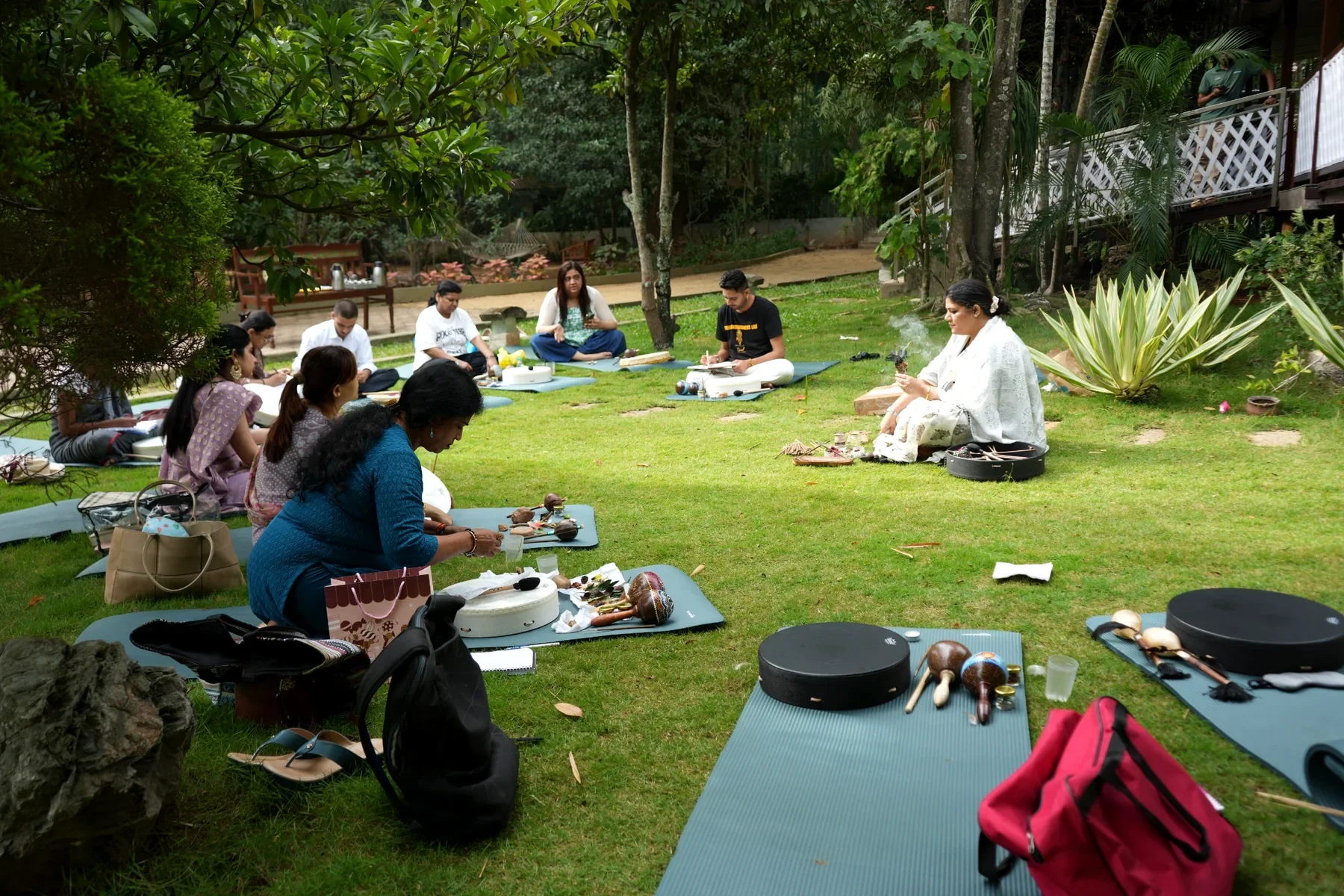
Before You Continue
Key Takeaways
A broad term for diverse traditions involving ceremonial practitioners, healing, relationships with nature or spirits, and community service.
No.
No.
No.
No.
No.
Yes, when the framework and limits are stated honestly.
No.
No.
Particular practices can be studied, but the complete worldview is not one scientific intervention.
Shamanism is best understood as a comparative term for diverse, culturally specific traditions rather than as one universal religion or technique.
Across these traditions, practitioners may serve through healing, ceremony, divination, guidance, altered states, relationships with ancestors or spirits, and responsibility toward land and community. No single practice, cosmology, or method is universal.
Traditional authority may depend upon lineage, apprenticeship, initiation, community recognition, and long-term service. Contemporary systems can provide structured learning and clearly defined certification, but their authority remains limited to the scope of that training.
Shamanic and spiritual practices may support meaning, connection, reflection, and a sense of restoration. They should complement rather than replace necessary medical, psychological, psychiatric, or emergency care.
A responsible approach distinguishes historical evidence, community knowledge, scientific findings, spiritual interpretation, personal testimony, and institutional claims. It also requires accurate attribution, cultural specificity, respect for restrictions, and transparency about adaptation.[2, 6, 20, 22]
The aim is not to collect titles, symbols, or extraordinary experiences, but to develop discernment, relationship, responsibility, and ethical service.
Five Questions for Evaluating a Shamanic Claim
Which culture or community is being described?
What kind of evidence supports the statement?
Is the claim traditional, scientific, spiritual, experiential, or institutional?
Has a culturally specific practice been presented as universal?
Who benefits from the claim, and what responsibilities or risks are involved?
This guide draws upon historical records, anthropology, Indigenous and community materials, scientific research, health guidance, and clearly identified Soul Consciousness Lab perspectives.
These forms of knowledge answer different questions and are not treated as interchangeable.[5, 7, 8, 18, 20, 37]
Evidence and Language Framework
Historical Records
Archaeology
Ethnography
Indigenous Sources
Scientific Research
Clinical Research
Testimony
Institutional Sources
Preferred Wording by Evidence Strength
Keep Exploring
Continue Exploring Shamanism
This page provides a broad introduction.
Readers may now continue according to the question they want to explore more deeply.
Choose Your Learning Path
History of Shamanism
Prehistoric interpretations, the Siberian origin of the word, academic theories, colonial and state suppression, Indigenous survival and revival, core shamanism, and contemporary developments.
Coming SoonShamanic Healing
Traditional models of illness, balance, soul loss, ritual restoration, community participation, spiritual interpretations, and evidence limitations.
Coming SoonShamanic Healing Therapy
How a contemporary session may be structured — suitability, preparation, consent, scope, safety, integration, and medical boundaries.
Coming SoonScience and Shamanism
Current research on altered states, rhythm, drumming, imagery, trance, brain activity, ritual, psychology, health outcomes, and scientific limitations.
Coming SoonEthical Shamanism
Cultural appropriation, authority, lineage claims, consent, restricted knowledge, facilitator power, medical claims, and participant rights.
Coming SoonShamanism Training
Contemporary learning pathways, curriculum, experiential practice, supervision, ethics, certification, graduate scope, and the Soul Consciousness Lab approach.
Explore Now →The Next Step
Explore Shamanism Training at Soul Consciousness Lab
Readers who wish to move from study into structured experiential learning should begin by examining the framework, sources, adaptations, safety standards, certification, and graduate scope of the programme.
Experiential practice, supervised
Alt text: "Two participants practising frame-drum rhythms during a supervised experiential shamanism exercise at Soul Consciousness Lab."
SCL-supplied photo already in the kit (A-06_SCL-experiential-drumming). Confirm participant publication consent before going live.
The Soul Consciousness Lab Training Approach
Soul Consciousness Lab offers a contemporary integrative pathway that may include journeying, altered-state literacy, rhythm and sound, symbolic and transpersonal exploration, nature-based practice, ethics, facilitation, supervised experience, and integration.[45]
The programme does not reproduce one complete Indigenous lineage or confer Indigenous identity, traditional cultural authority, medical qualification, or permission to represent restricted ceremonies.[6, 8, 22]
Training Is More Than Technique
A responsible programme develops discernment, cultural understanding, ethical judgement, facilitation skills, awareness of contraindications, and the ability to recognise limits. The goal is not simply to produce extraordinary experiences, but to support stable and responsible practice.
Readiness and Timing
Structured study may suit someone with sustained interest who is willing to engage with culture, ethics, multiple interpretations of altered states, professional boundaries, and ongoing integration.
Under Soul Consciousness Lab admissions policy, intensive training may be postponed during an acute psychological crisis, when an applicant is seeking a guaranteed cure or immediate spiritual authority, or when relevant health concerns have not been disclosed for suitability review.[45]
What to Review Before Applying
Before applying, review the curriculum, duration, learning objectives, format, eligibility, suitability criteria, safety procedures, certification, graduate scope, limitations, and support after training.
Training Readiness Check
- 1
Am I seeking education, personal exploration, or professional practice?
- 2
Do I understand the difference between traditional and contemporary shamanism?
- 3
Am I willing to respect cultural limits and clearly defined scope?
- 4
Can I engage with more than one interpretation of altered-state experience?
- 5
Am I prepared to disclose relevant medical or psychological concerns?
- 6
Can I continue learning without expecting guaranteed results or immediate authority?
Final Closing Statement
Shamanism brings together questions that modern institutions often separate:
- Body and spirit
- Individual and community
- Healing and meaning
- Humanity and nature
- Experience and evidence
- Tradition and adaptation
- Knowledge and responsibility
To study it well requires more than fascination. It requires patience, specificity, cultural humility, critical thinking, and honesty about what is known, what is believed, what is experienced, and what remains uncertain.
At Soul Consciousness Lab, we believe that deep engagement with shamanism is demonstrated not by adopting a title or collecting extraordinary experiences, but through the quality of one's attention, ethics, relationships, discernment, responsibility, and service.
Explore the Shamanism Training Framework
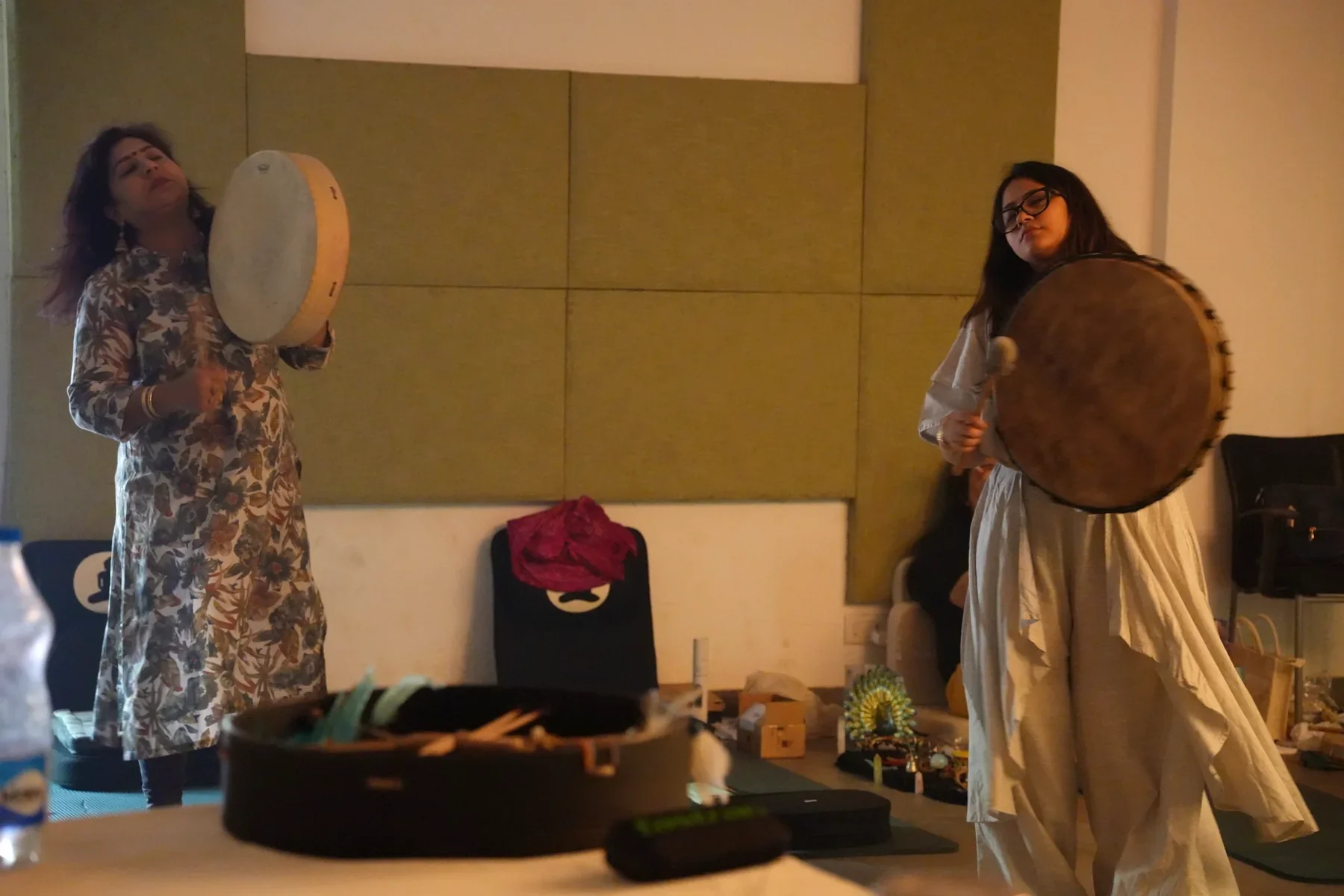
Sources & Citations
Reference Register
Numbered citations throughout this guide correspond to the sources below. Each entry links back to where it appears in the text, and out to the original source. Sources are grouped by category rather than listed in strict numerical order.
Definitions and Anthropology
Oxford English Dictionary. shaman, n. & adj. — meanings and etymology. Current. Dictionary / etymology. Accessed 20 July 2026.
View Source →Manvir Singh. The Cultural Evolution of Shamanism. 2018. Peer-reviewed cross-cultural theory.
View Source →Michael J. Winkelman. Identifying the Nature of Shamanism. 2018. Peer-reviewed commentary.
View Source →Nurit Bird-David. “Animism” Revisited: Personhood, Environment, and Relational Epistemology. 1999. Peer-reviewed anthropology.
View Source →Cambridge Encyclopedia of Anthropology. Divination. Current. Academic reference. Accessed 20 July 2026.
View Source →Indigenous and Community Sources
UNESCO Intangible Cultural Heritage. What Is Intangible Cultural Heritage?. Current. Official intergovernmental guidance. Accessed 20 July 2026.
View Source →UNESCO Intangible Cultural Heritage. Living Heritage and Indigenous Peoples. Current. Official intergovernmental guidance. Accessed 20 July 2026.
View Source →AIATSIS. Welcome to Country — What Is Country?. 2021. Official Indigenous cultural institution.
View Source →AIATSIS. Australian Aboriginal Studies: Jukurrpa / Dreaming. 2015. Indigenous studies publication.
View Source →R. Sexton & B. Buljo Stabbursvik. Healing in the Sámi North. 2010. Peer-reviewed health anthropology.
View Source →Boudewijn Walraven. Songs of the Shaman: The Ritual Chants of the Korean Mudang. 1994. Academic monograph.
View Source →UNESCO ICHCAP. Shamanism in South Korea and Kyrgyzstan. 2013. Intergovernmental cultural heritage publication.
View Source →M. G. Mokgobi. Understanding Traditional African Healing. 2014. Peer-reviewed review.
View Source →David M. O’Shaughnessy & Ilana Berlowitz. Amazonian Medicine and the Psychedelic Revival: Considering the Dieta. 2021. Peer-reviewed review/anthropology.
View Source →Ilana Berlowitz et al. Indigenous-Amazonian Traditional Medicine’s Usage of the Tobacco Plant. 2023. Peer-reviewed mixed-methods study.
View Source →Bill Sillar. The Social Agency of Things? Animism and Materiality in the Andes. 2009. Peer-reviewed archaeology/anthropology.
View Source →AIATSIS. Indigenous Australians: Aboriginal and Torres Strait Islander People. 2020. Official Indigenous cultural institution.
View Source →UNESCO. Jeju Chilmeoridang Yeongdeunggut. Current. Official living-heritage record. Accessed 20 July 2026.
View Source →Evenki Atlas. Evenki Atlas. Current. Community/academic cultural resource. Accessed 20 July 2026.
View Source →History and Archaeology
Mircea Eliade. Shamanism: Archaic Techniques of Ecstasy. 1951/1964. Influential academic book / primary intellectual history.
View Source →Ronald Hutton. Shamans: Siberian Spirituality and the Western Imagination. 2001. Academic historical synthesis.
View Source →Joseph B. Quijada. From Culture to Experience: Shamanism in the Pages of the Soviet Anti-Religious Press. 2020. Peer-reviewed history.
View Source →Marjorie Mandelstam Balzer (ed.). Shamanism: Soviet Studies of Traditional Religion in Siberia and Central Asia. 1990. Academic edited volume.
View Source →Archaeological Institute of America. Archaeology 101. 2007. Professional archaeological education source.
View Source →UNESCO ICH. Safeguarding Without Freezing. Current. Official intergovernmental guidance. Accessed 20 July 2026.
View Source →Consciousness and Science
Bruno Gingras et al. Exploring Shamanic Journeying: Repetitive Drumming with Shamanic Instructions Induces Specific Subjective Experiences but No Larger Cortisol Decrease than Instrumental Meditation Music. 2014. Peer-reviewed experimental study.
View Source →Erik R. Huels et al. Neural Correlates of the Shamanic State of Consciousness. 2021. Peer-reviewed neuroscience study.
View Source →Nathalie Marie et al. Scoping Review on Shamanistic Trance Practices. 2024. Peer-reviewed scoping review.
View Source →R. Aparicio-Terrés et al. The Neurobiology of Altered States of Consciousness Induced by Meditation, Hypnosis, Shamanic Trance, Psychedelics and Other Methods. 2025. Peer-reviewed review.
View Source →Ted J. Kaptchuk. Placebo Studies and Ritual Theory: A Comparative Analysis of Navajo, Acupuncture and Biomedical Healing. 2011. Peer-reviewed theory/review.
View Source →Healing and Health
Michele Stephen & Luh Ketut Suryani. Shamanism, Psychosis and Autonomous Imagination. 2000. Peer-reviewed medical anthropology.
View Source →M. R. Hicks et al. Shamanism as a Clinical Intervention: A Scoping Review. 2025. Peer-reviewed clinical scoping review.
View Source →NCCIH. Complementary, Alternative, or Integrative Health: What’s in a Name?. Current. Official health guidance. Accessed 20 July 2026.
View Source →NCCIH. Cancer and Complementary Health Approaches: What You Need to Know. Current. Official health guidance. Accessed 20 July 2026.
View Source →S. G. D. Ruffell et al. Ayahuasca: A Review of Historical, Pharmacological, and Therapeutic Aspects. 2023. Peer-reviewed review.
View Source →Contemporary Shamanism
Foundation for Shamanic Studies. Foundation for Shamanic Studies — About Michael Harner and Core Shamanism. Current. Primary institutional source. Accessed 20 July 2026.
View Source →Ethics and Rights
United Nations. United Nations Declaration on the Rights of Indigenous Peoples — legal overview. Current. Official international legal source. Accessed 20 July 2026.
View Source →UNESCO Intangible Cultural Heritage. Ethics and Intangible Cultural Heritage. Current. Official ethical guidance. Accessed 20 July 2026.
View Source →WIPO. Traditional Knowledge. Current. Official intergovernmental IP guidance. Accessed 20 July 2026.
View Source →WIPO. Intellectual Property and Traditional Cultural Expressions/Folklore. 2015. Official intergovernmental guidance.
View Source →Additional Academic Sources
Caroline Humphrey with Urgunge Onon. Shamans and Elders: Experience, Knowledge, and Power among the Daur Mongols. 1996. Academic monograph.
View Source →Juan Scuro and Robin Rodd. “Neo-Shamanism.” In Encyclopedia of Latin American Religions. 2015. Academic reference entry.
View Source →Robert J. Wallis. Shamans/Neo-Shamans: Ecstasies, Alternative Archaeologies and Contemporary Pagans. 2003. Academic monograph.
View Source →J. D. Lewis-Williams. “Putting the Record Straight: Rock Art and Shamanism.” Antiquity 77(295), 2003. Academic debate article.
View Source →Clark Chilson and Peter Knecht, eds. Shamans in Asia. 2003. Comparative academic volume.
View Source →Institutional Sources
Soul Consciousness Lab®. Shamanism Training in India — programme framework, curriculum, readiness, and institutional scope. Current institutional source. Accessed 21 July 2026.
View Source →Soul Consciousness Lab®. Institute website — educational and non-clinical scope statement. Current institutional source. Accessed 21 July 2026.
View Source →Some numbers in this register are non-sequential within their category because the same source list is shared across the full guide, and each reference keeps the number it was first assigned.